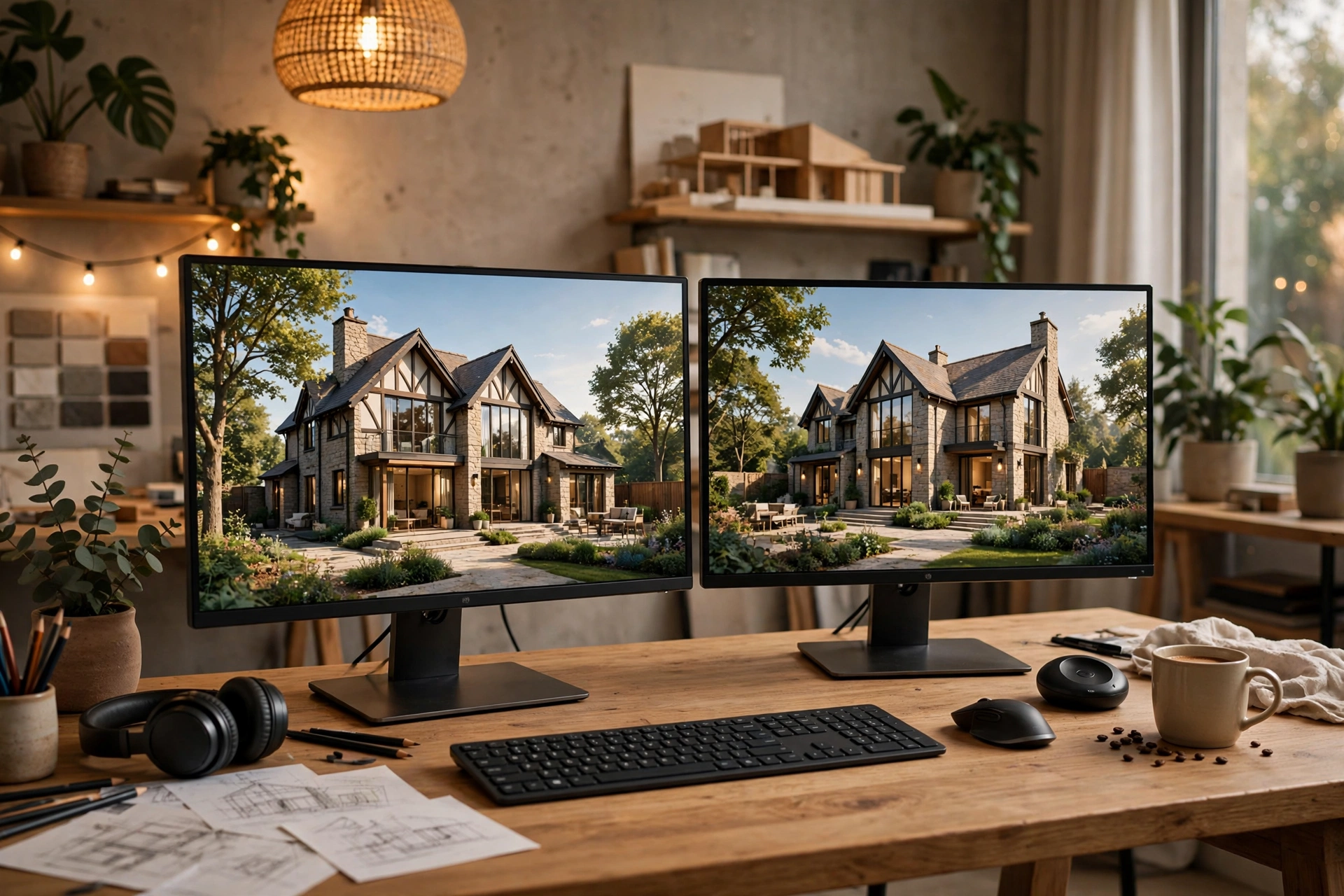
Architectural Visualization Career Guide 2026
Architectural visualization, usually called archviz, is the craft of turning unbuilt buildings into images people can feel. Every photorealistic house render, every competition board, every off-plan sales brochure started on the screen of a 3D artist. It is also one of the few creative careers where a strong portfolio matters more than a degree, where a self-taught artist can be hired on the strength of ten good images, and where the work is in demand from architects, developers, and interior designers in every market.
This guide covers the architectural visualization career in 2026: what the job actually involves, the skills and software to learn first, realistic salary and freelance rates, how to build a portfolio that gets you hired, and the path from your first render to a full-time studio job or a freelance practice.
What an Archviz Artist Actually Does
An archviz artist takes drawings, 3D models, or even a rough sketch and turns them into photorealistic still images, animations, or real-time walkthroughs. A typical week mixes modelling, texturing, lighting, camera work, and post-production. One day you are building a kitchen from a floor plan, the next you are lighting a twilight exterior, and the day after that you are fixing the one material that makes the whole image look wrong.
The job is part technical and part artistic. You need to understand how light behaves, how materials look at different scales, and how a camera lens changes a room. You also need to understand what the client is selling: a home, a hotel, a planning approval. The best artists are the ones who can read a brief, ask the right questions, and deliver images that make a design easy to approve. It is creative work with deadlines, revisions, and clients, and that mix is what makes it a career rather than a hobby.
Skills You Need, and the Ones You Can Skip
The core skills are modelling, materials, lighting, and composition. Modelling is the foundation: clean geometry, correct scale, and tidy files that another artist can open and understand. Materials come next, because a render lives or dies on whether wood looks like wood and glass looks like glass. Lighting is the skill that separates beginners from professionals, and it is the one worth the most practice. Composition, the camera angle and the focal length, decides whether the image feels like a photograph or a video game screenshot.
You can skip the skills that do not serve the image. You do not need to be an architect, and you do not need to design buildings. You do not need to master every software package, and you do not need to animate unless you want to sell animations. What you do need is an eye for detail and the patience to iterate: the difference between a good render and a great one is usually ten small fixes, not one big idea. Our guide to making renders look realistic lists the twelve techniques professionals use, and it doubles as a skills checklist for a beginner.
Software to Learn First in 2026
Start with one modelling tool and one renderer, and learn them properly. SketchUp is the fastest way into modelling for architecture, and it pairs well with V-Ray, Enscape, or D5 Render. 3ds Max with Corona or V-Ray is the standard in larger studios, and it is the combination most job listings ask for. Blender is free, powerful, and increasingly accepted by studios, and our Blender archviz guide covers the full workflow from import to final image.
For real-time work, learn Lumion or Twinmotion, both of which turn a model into a presentable render in hours rather than days. Our Lumion beginner tutorial walks through a first render step by step, and our best rendering software roundup compares every major option on price, quality, and speed. Add Photoshop for post-production, because almost every professional render is finished there, and learn a little AI rendering, since tools like Veras are now part of the early concept stage. Our AI rendering tools comparison shows where AI helps and where a human artist still wins.
Salary and Freelance Rates in 2026
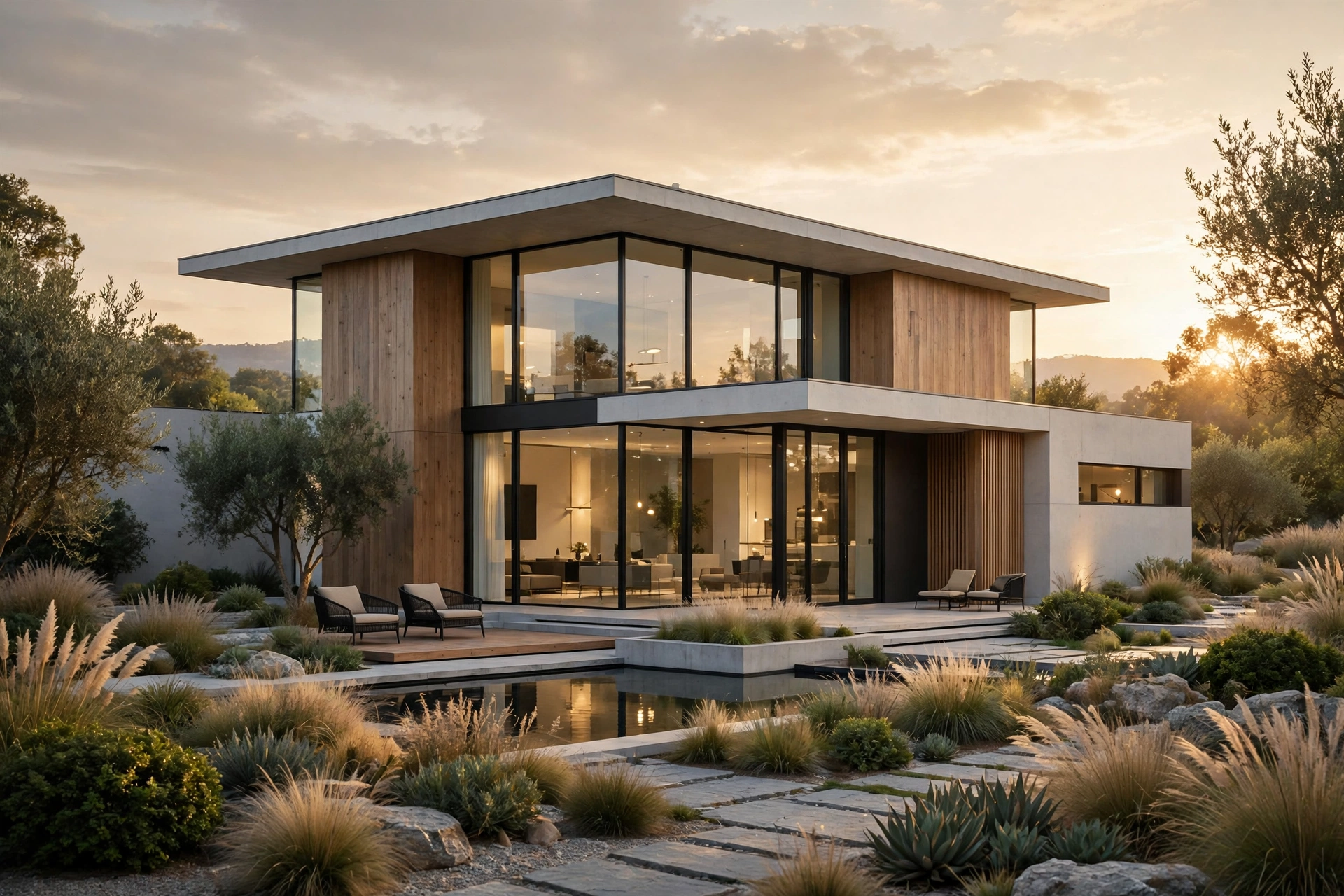
Pay in archviz varies widely by location, experience, and whether you work in a studio or freelance. In the United States and Western Europe, a junior 3D artist typically earns $40,000 to $55,000 a year, a mid-level artist earns $55,000 to $80,000, and a senior artist or art director earns $80,000 to $120,000 or more. In other markets the figures are lower, but remote work has changed the picture: many studios now hire artists across borders, and a strong portfolio can earn international rates from anywhere.
Freelance rates follow the same pattern as studio pricing. A freelance artist typically charges $150 to $600 per still image in 2026, depending on complexity and reputation, with animations and full project packages priced higher. Beginners often start at the lower end, around $80 to $150 per image, and raise their rates as their portfolio and client list grow. The honest truth is that the first year is the hardest: building the portfolio, finding the first clients, and learning to price work without underselling it. After that, reputation compounds, and repeat clients become the steadiest income.
Building a Portfolio That Gets You Hired
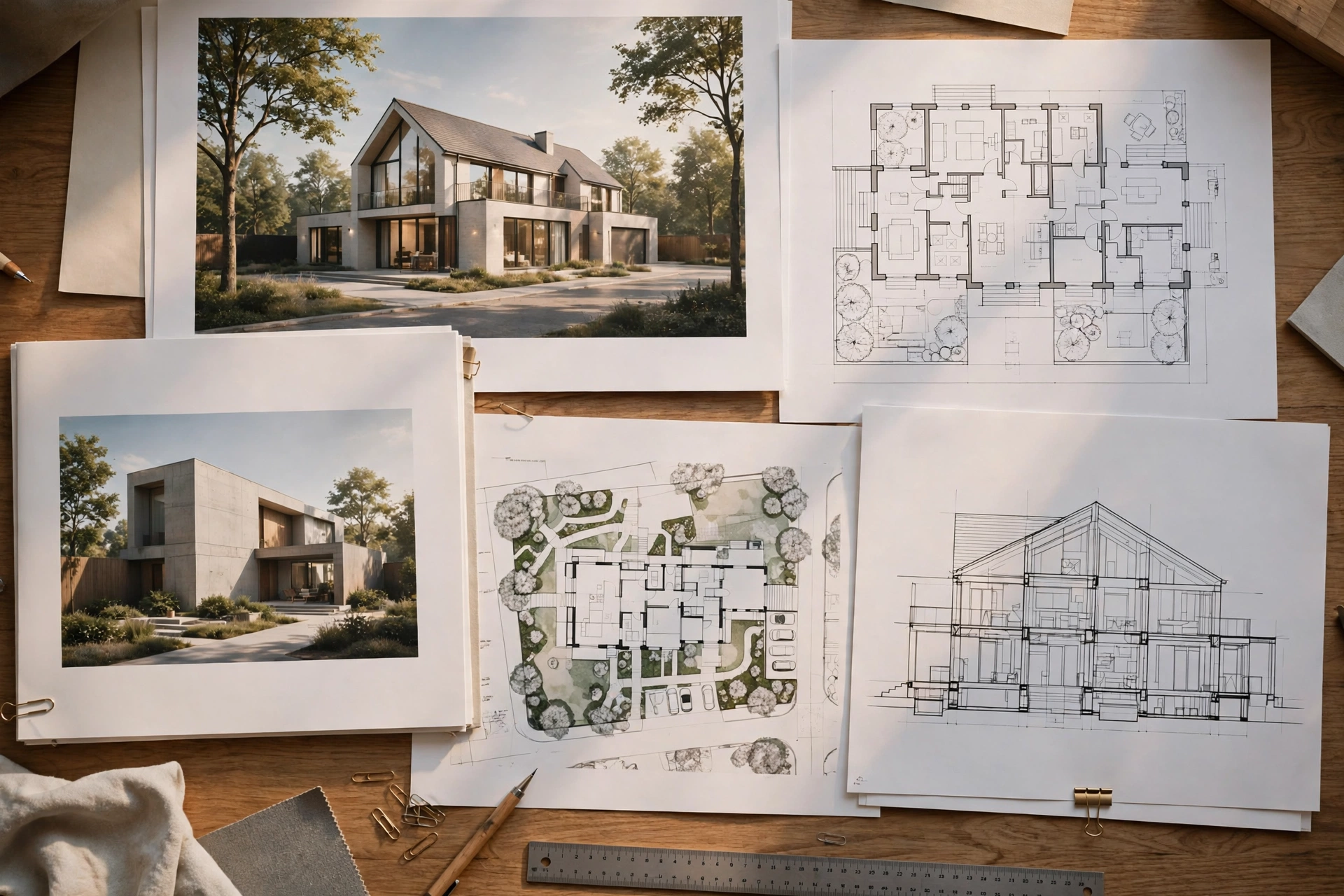
Your portfolio is your CV, your interview, and your price list in one. Ten excellent images beat thirty average ones, so curate ruthlessly. Show the work you want to be hired for: if you want residential interiors, show your best interiors, not one of everything. Include a range of views, a hero exterior, a detailed interior, a twilight shot, and a close-up that shows material craft, because studios hire for consistency across a project, not one lucky image.
Present the work like a professional. Clean project pages, short captions that name the software and the brief, and no unfinished experiments. Personal projects are fine, and often better than client work, because they show what you can do without a client limiting the design. Our rendering portfolio guide covers the views, the order, and the presentation that close deals, and the same rules apply when the client is a studio hiring you. Update the portfolio every few months, and remove anything that no longer represents your best work.
Getting Your First Job or Client
There are three realistic routes in. The first is a junior role at a visualization studio, which is the best way to learn the workflow, the standards, and the pace of real projects. Apply with a short portfolio link and a clear note about the software you know; studios read portfolios, not cover letters. The second route is freelance, starting with small projects for local architects, interior designers, or developers, and growing through referrals. The third is a hybrid: a part-time or remote junior role while you build freelance work on the side.
Wherever you start, keep learning in public. Post your work, share your process, and ask for feedback from working artists. The archviz community is unusually open, and a good render posted in the right place has landed many artists their first paid job. Expect rejection, expect to redo your portfolio more than once, and expect the first year to feel slow. The artists who make it are rarely the most talented beginners; they are the ones who kept rendering, kept learning, and kept showing their work until someone hired them.
Frequently Asked Questions
Do I need a degree to work in architectural visualization?
No. Studios hire on portfolio quality, not qualifications. A degree in architecture or design helps with understanding drawings, but a self-taught artist with ten excellent renders will beat a graduate with a weak portfolio.
How long does it take to become job-ready in archviz?
Most beginners reach a hireable level in 6 to 12 months of focused practice, assuming a few hours a day on real projects. A strong portfolio matters more than the calendar, so the goal is ten excellent images, not a fixed number of months.
Which software should I learn first?
Learn one modelling tool and one renderer deeply: SketchUp with V-Ray or D5 Render is the fastest start, and 3ds Max with Corona or V-Ray is the standard in larger studios. Add Photoshop for post-production once the basics are solid.
How much do archviz artists earn?
In the US and Western Europe, junior artists earn $40,000 to $55,000 a year, mid-level artists $55,000 to $80,000, and seniors $80,000 to $120,000 or more. Freelancers charge $150 to $600 per still image, depending on experience and complexity.
Is AI going to replace archviz artists?
No, not in 2026. AI tools speed up early concepts and variations, but clients still need accurate, buildable images from real drawings, with revisions and accountability. Artists who use AI as a tool are faster, not replaced.
Can I work in archviz remotely?
Yes. Remote archviz work is common now, and many studios hire artists across borders. A strong portfolio and reliable communication matter more than location, though time zone overlap helps with client calls and deadlines.
An architectural visualization career rewards the artists who keep showing up: one render at a time, one portfolio update at a time, until the work speaks for itself.
If you are building your archviz career and want to see how a professional studio works, explore our blog for tutorials and workflow guides, or talk to our team about the projects we take on and the artists we work with. The first step is always the same: make your next render better than your last one.
Written by
Architecture Designing Team
3D Visualization Studio