3D Rendering for Real Estate Agents: 2026 Guide
A buyer decides within seconds whether to click on a listing, book a viewing, or scroll past. In that moment the photograph is your pitch, and for new builds, renovations, and off-plan homes there is often no photograph to show. That is where 3D rendering earns its keep: it puts a beautiful, believable image in front of the buyer before the property exists.
This guide explains how real estate agents use 3D rendering in 2026: which visuals sell listings fastest, what they cost, and how to brief a studio so every listing brings viewings.
Why Agents Use 3D Renders Instead of Photos
Photos show what a property looks like today. Renders show what it will look like at its best. For a new development still on site, a render is the only way to market the finished home. For a tired resale listing, a render shows the rooms restyled and furnished the way a buyer would live in them. For an empty property, it fills the rooms so buyers can judge scale.
The numbers support the effort. Listings with strong visuals get more clicks, more saved searches, and more viewing requests than listings with weak ones. A buyer who can picture themselves in the living room is far more likely to book a viewing than one who has to imagine it from an empty floor plan. The same images work on a portal listing, on social media, and on a brochure, so one investment serves every channel.
Renders also solve a timing problem. A traditional photo shoot needs the property finished, cleaned, styled, and shot in good weather. A render needs only the plans and a brief, so an agent can market a development months before completion and take reservations off-plan.
The Listing Visuals That Sell Homes Fastest
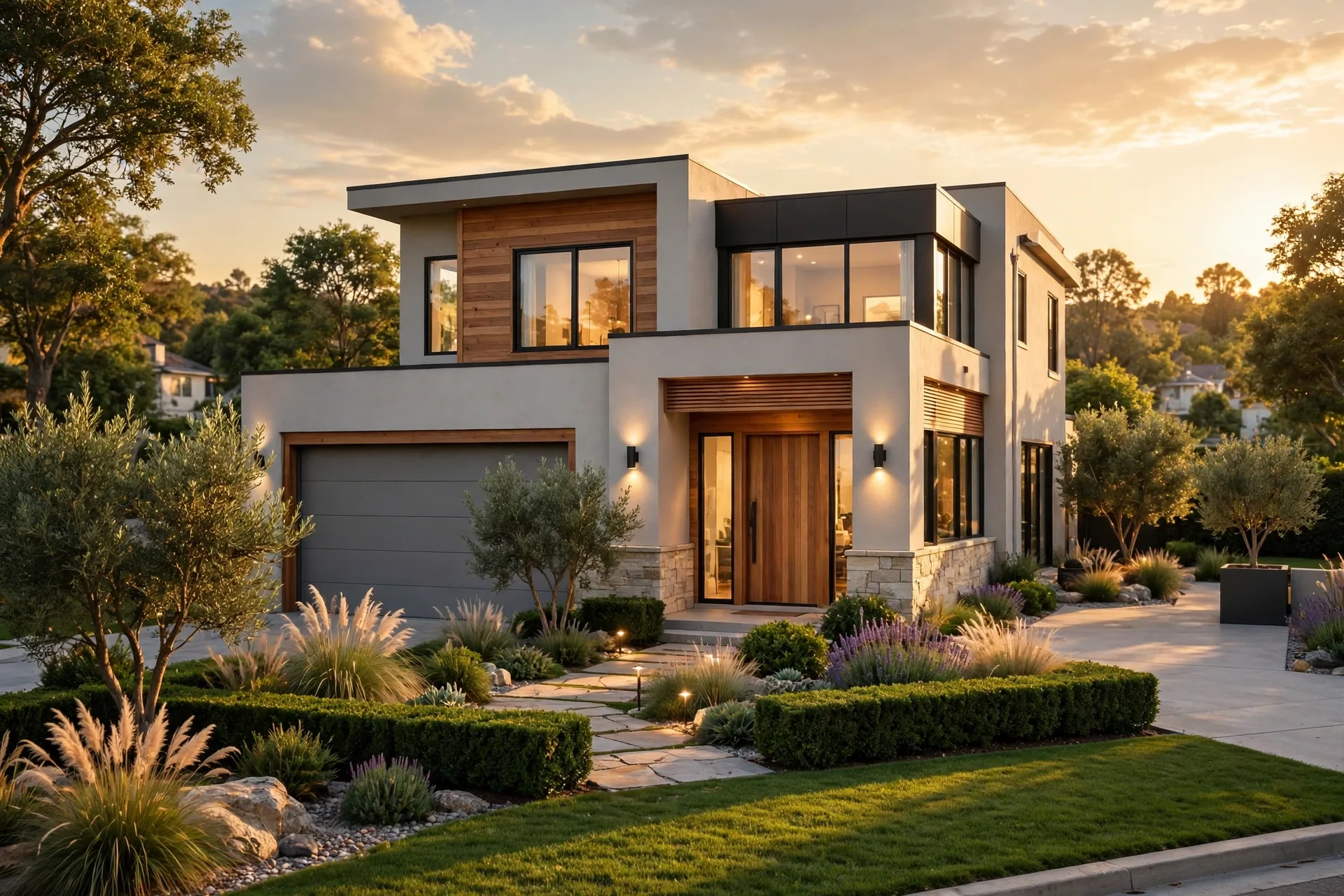
Not every view is equal. The images that earn their cost are the ones buyers look at first: the hero exterior, the main living space, the kitchen, and the master bedroom. The hero exterior should be shot at eye level or a gentle low angle, in warm daylight or at dusk, with the front garden visible. It appears on the portal thumbnail, so it must read clearly at a small size.
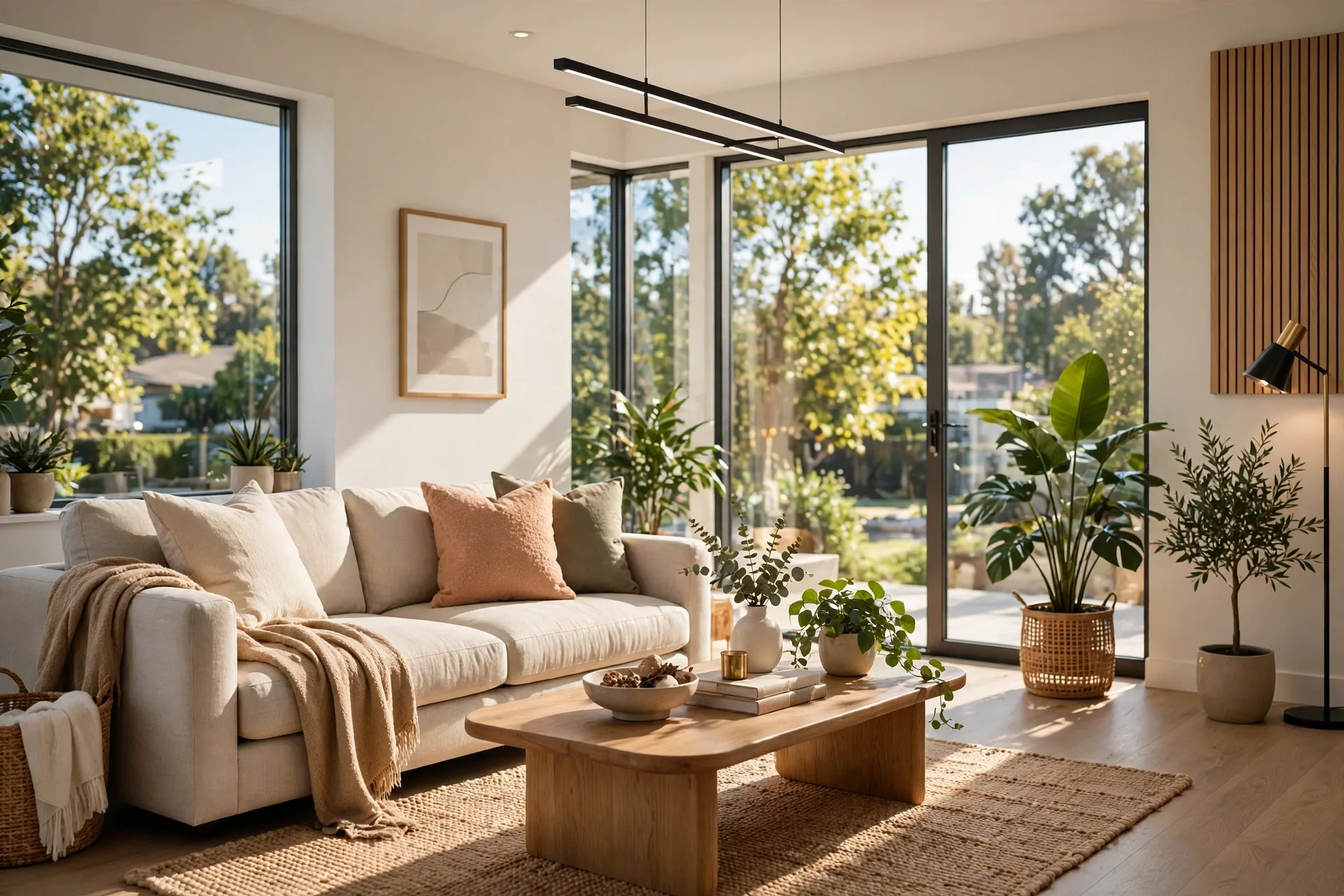
The living room needs believable styling: a sofa that fits the room, curtains that hang naturally, and light that feels like a real afternoon. The kitchen sells on worktops, storage, and light, so show it clean and bright. The master bedroom should feel calm and spacious, with the bed made and no clutter competing for attention.
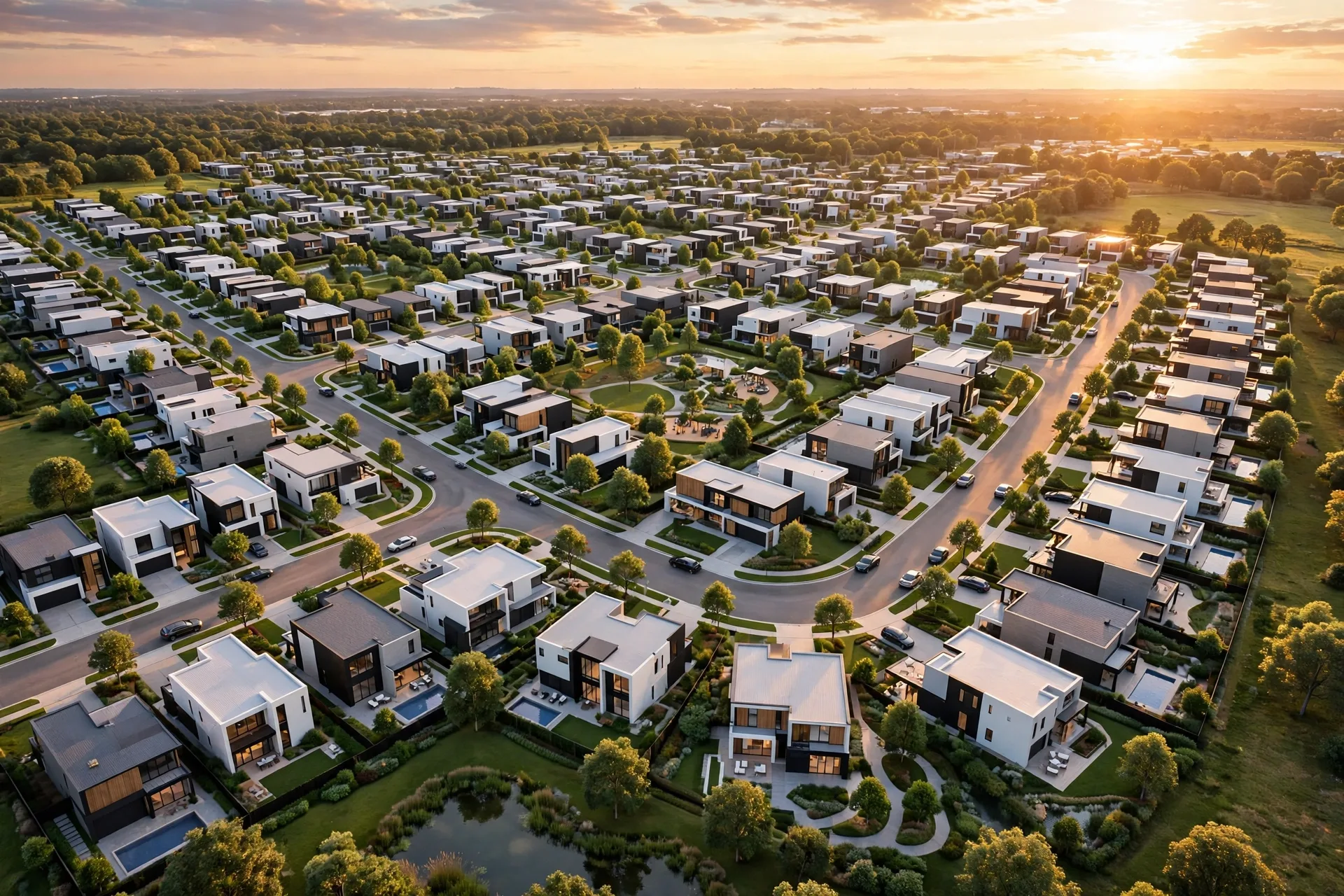
Two extra views punch above their cost. A twilight exterior makes a listing stand out on a results page full of daylight photos, and an aerial view shows the plot, the garden, and the neighbourhood in one image. Our guides to aerial renders and twilight renders cover both in detail.
Virtual Staging vs 3D Rendering: Which One for Agents?
Virtual staging takes a photograph of a real, empty room and adds digital furniture to it. It is fast and cheap, usually $30 to $100 per image, and it works well for resale listings where the rooms already exist and only need furnishing.
Full 3D rendering builds the room from scratch in 3D, from the plans or a model. It costs more, typically $150 to $600 per view in 2026, but it can show a property that does not exist yet, change the layout or finishes, and keep lighting consistent across every view.
The rule is simple. If the property exists and only needs furnishing, virtual staging is the faster, cheaper choice. If it is off-plan or under renovation, full rendering is the right tool. Our comparison of virtual staging vs 3D rendering breaks down the costs in detail.
What Rendering Costs an Agent in 2026
For a standard resale listing, four to six rendered views typically cost $600 to $2,000 in 2026. A single hero exterior is $200 to $500, an interior view is $150 to $400, and a twilight or aerial view sits at the higher end.
For off-plan developments, agents usually order a launch package: a hero exterior, three to five interiors, a site plan render, and sometimes a short animation or a 360-degree tour. Eight to twelve images generally cost $1,500 to $4,000, and an animation adds $1,500 to $6,000. A package that helps sell even one home a month earlier pays for itself many times over.
A single view takes three to five working days, and a full set of five views takes five to ten days. Rush delivery in 24 to 72 hours is available for a fee of 25 to 50 percent. Our price tables are in our guide to 3D rendering cost per image, and the express options are in our rush rendering turnaround guide.
How to Brief a Studio for a Listing
A good brief saves a revision round. Start with floor plans and elevations with dimensions, the 3D model if the developer has one, and photos of the site. Add the finishes, floor materials, worktops, tiles, and paint colours, because renders that promise finishes the home does not have create complaints later.
Then describe the buyer. A first-time buyer, a family, and a downsizer look for different things in the same house, and the styling should match: a family home needs a dining table that seats six, a city apartment needs a home office corner. Tell the studio who the buyer is and let the styling follow.
Finally, list the views you need and the deadline, and say where the images will appear: portal listings, social media, or brochures. For the full checklist, our guide to how to brief a rendering studio covers every item a studio needs.
Renders for Off-Plan and New Developments
Off-plan sales are where rendering pays for itself most clearly. Without images, an agent is selling a floor plan and a promise. With a strong render set, the buyer can already see themselves living in the home. The launch package should include the hero exterior, the living room, the kitchen, the master bedroom, and one lifestyle view such as a garden or balcony.
For larger developments, add a site plan render and an aerial view so buyers understand the layout, the parking, and the green space. For apartment blocks, a 360-degree tour of the show unit lets buyers explore on their phone. Developers who launch with a complete visual package report faster reservations, and our guide to rendering for real estate developers covers the launch package in detail.
One caution: off-plan renders must be honest. Show the finishes the buyer will receive, keep room sizes true to the plans, and avoid undersized furniture, which makes rooms look bigger than they are. Buyers who feel misled at handover become complaints and lost referrals.
Mistakes Agents Make with Listing Renders
The most common mistake is ordering too few views. Two images cannot sell a four-bedroom house. Order the full set for the property type: four to six views for a house, three to four for an apartment. The second mistake is the opposite: ordering views nobody looks at, such as a second bathroom, while skipping the kitchen.
The third mistake is styling that does not match the price: a luxury home with budget furniture looks wrong, and a modest home styled like a boutique hotel looks dishonest. The fourth is using renders without saying so. Label rendered images as visualisations, especially for off-plan homes. Transparency builds trust, and trust closes sales.
The fifth mistake is reusing the same render set for years. Styling trends change, and a render set from three years ago can make a fresh listing look dated. Refresh the hero images when a development enters a new sales phase. Our guide for home builders covers how builders use fresh renders to keep spec homes selling.
Frequently Asked Questions
How much does 3D rendering cost for a real estate listing?
Four to six views for a standard listing cost $600 to $2,000 in 2026. A single view costs $150 to $600. Off-plan launch packages of eight to twelve images cost $1,500 to $4,000.
How long does it take to get listing renders?
A single view takes three to five working days and a full set takes five to ten days. Rush delivery in 24 to 72 hours is available at most studios for a fee of 25 to 50 percent.
Should I use virtual staging or full 3D rendering?
Use virtual staging when the property exists and only needs furnishing in photos. Use full 3D rendering when the property is off-plan, under renovation, or needs layout or finish changes that a photo cannot show.
Can renders be used on property portals?
Yes. Portals accept renders, but they should be labelled as visualisations or CGI so buyers know the images are not photographs. This is especially important for off-plan homes.
Do renders actually help sell homes faster?
Listings with strong visuals get more clicks, more saved searches, and more viewing requests. For off-plan homes, a complete render set lets agents start marketing months before completion and take reservations earlier.
What do I need to send a rendering studio?
Floor plans and elevations with dimensions, a 3D model if one exists, material and finish references, photos of the site, the views you need, and your deadline.
For a real estate agent, a render is not decoration. It is the first viewing, the brochure, and the sales pitch in one image. Order the views buyers look at, style them for the buyer you want, label them honestly, and refresh them when the market moves on.
If you have a listing or a development that needs visuals, talk to our studio. Send us the plans, tell us the buyer and the deadline, and we will quote a fixed price for the views you need, with a preview stage so you can approve the cameras before any finishing work begins.
Written by
Architecture Designing Team
3D Visualization Studio