Virtual Staging vs 3D Rendering: Which Sells Homes Faster?
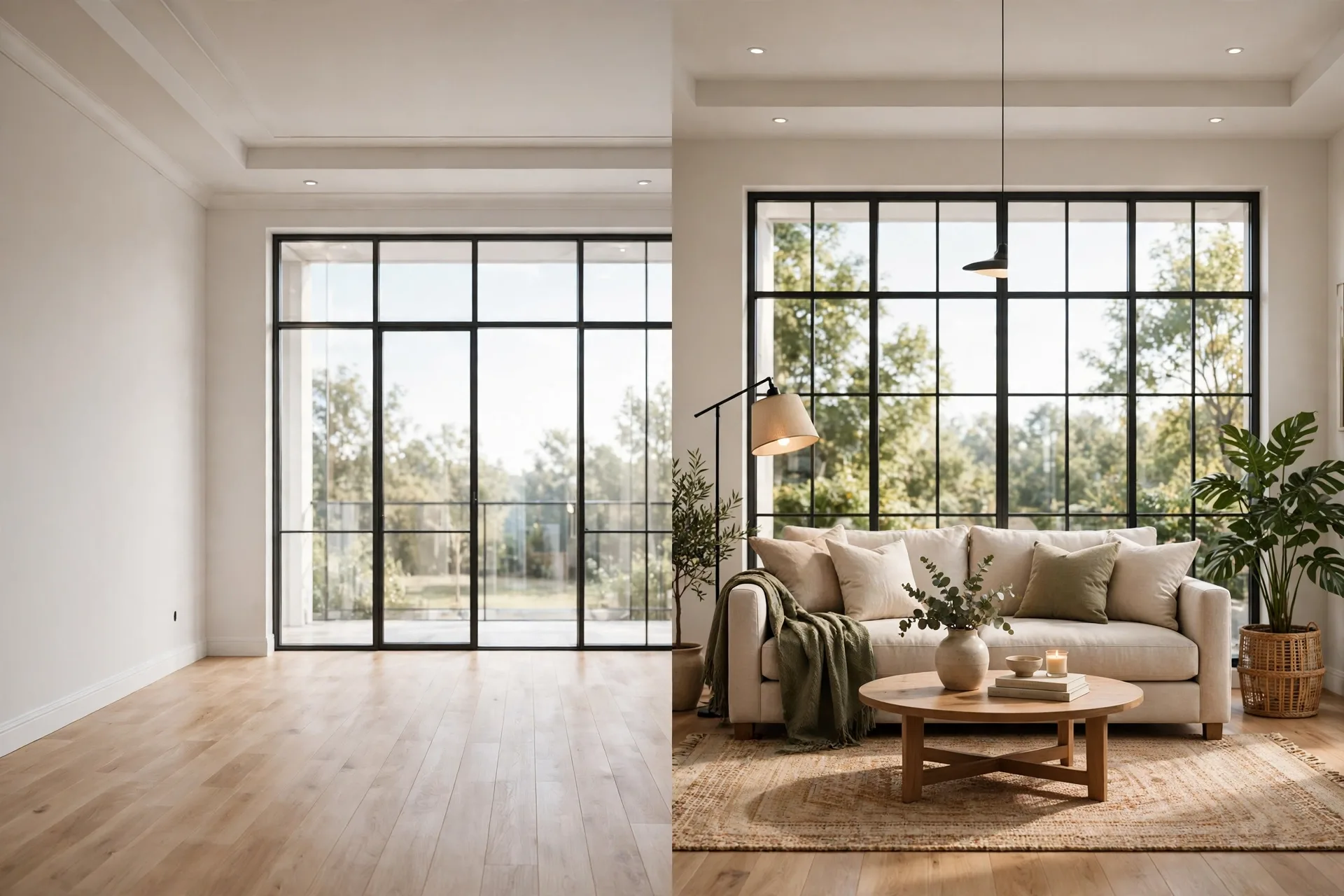
You have a property to sell and an empty room to show. Two options land on your desk: virtual staging, which dresses up a photograph of the real room with digital furniture, and 3D rendering, which builds the whole room from scratch. Both make an empty space look lived in, help buyers imagine themselves at home, and cost far less than buying real furniture. But they are not the same service, and choosing the wrong one wastes money and time. This guide compares them on cost, speed, quality, and the situations where each one wins, so you can pick the right tool for your listing.
What Virtual Staging Is
Virtual staging starts with a real photograph of a real room. A designer, or a software tool, adds digital furniture, rugs, lamps, and artwork, matching the light, perspective, and scale of the room. The result is a listing photo that looks furnished, even though the room is empty. It takes one to three days, and in 2026 it costs 30 to 100 dollars per image. The biggest strength is honesty about the space: walls, windows, floor, and ceiling are real, photographed exactly as they are, so a buyer who visits sees the same room they saw online. The biggest limit is that the furniture is only a picture. It cannot be viewed from another angle or walked through, and a sharp-eyed buyer can spot a shadow that does not match. Virtual staging works best for existing homes, where the budget is tight and the deadline is short. It is a photo enhancement, not a new image. Disclose it in the listing so buyers are not surprised by an empty room.
What 3D Rendering Is
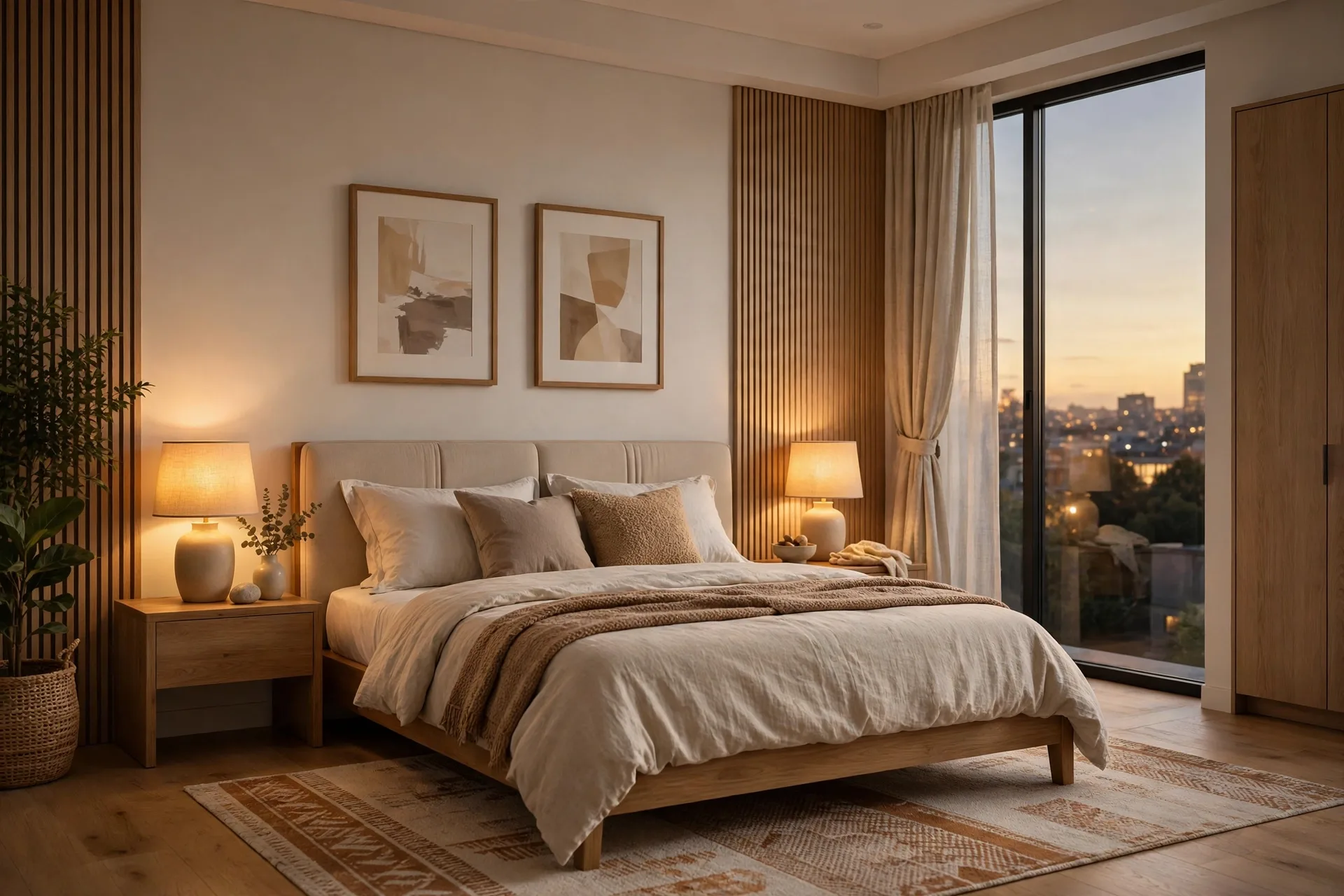
3D rendering starts with nothing but the plans. A 3D artist builds the room as a digital model, with real dimensions, materials, and light, then renders a photorealistic image. The room can be furnished, lit, and viewed from any angle. In 2026, a single interior render costs 200 to 800 dollars per view, depending on room size and detail, with most residential interiors between 250 and 500 dollars. The biggest strength of 3D rendering is control. The camera can move, the furniture can change, the wall colour can be swapped in an afternoon, and one model can produce a living room, kitchen, and bedroom that all match. It is also the only option for properties that do not exist yet. The biggest limit is cost and time: three to seven days per render, and several thousand dollars for a full set of views. Our per-image cost guide breaks down what drives the price, and our interior rendering cost guide gives room-by-room prices for 2026. Rendering builds a new image from your plans, which is why it is the standard for new developments and high-value listings.
Cost Comparison in 2026
The price gap between the two services is large, and it is the first thing most sellers notice. Virtual staging costs 30 to 100 dollars per image, so furnishing six listing photos costs roughly 200 to 500 dollars. A 3D rendering costs 200 to 800 dollars per view, so six views cost roughly 1,500 to 4,000 dollars. That gap has a reason: staging edits one photograph, while rendering builds an entire room from scratch. But the comparison changes when you count what each delivers. Six staged photos show six real rooms from one angle each. Six renders can show the same rooms from any angle, in daylight and at dusk, and the model can be reused for floor plans, animations, and a virtual tour. For a 300,000 dollar home, virtual staging costs about 0.1 percent of the sale price, while a full render set costs about 1 percent. For a 3 million dollar development, the render set is a smaller share of the budget, and it sells the project before it is built, which staging cannot do. The right question is not which is cheaper, but which earns its cost back. For an existing home that needs a quick sale, staging usually does. For a new development that needs pre-sales, rendering usually does.
Speed and Turnaround
Virtual staging is fast. Send the photographs on Monday, and the staged images are usually back by Wednesday. Some AI staging tools return results in minutes, though quality is lower and furniture choices are limited. A 3D render takes longer: three to seven days for a single view, and two to three weeks for a full set. The extra time is modelling, material work, and revision rounds, and it is well spent when the property does not exist yet. But speed has a second side. A staged photo cannot be changed easily: if the buyer wants a different sofa, the designer rebuilds the edit. A render can be revised in hours, because the furniture is a 3D object that can be swapped. Our turnaround guide lists real delivery times for 2026. If your listing goes live this week and the property is already built, staging is the only option fast enough. If you are launching a development in a month, rendering gives you time to perfect every view. Plan backwards from your launch date.
Quality and Realism
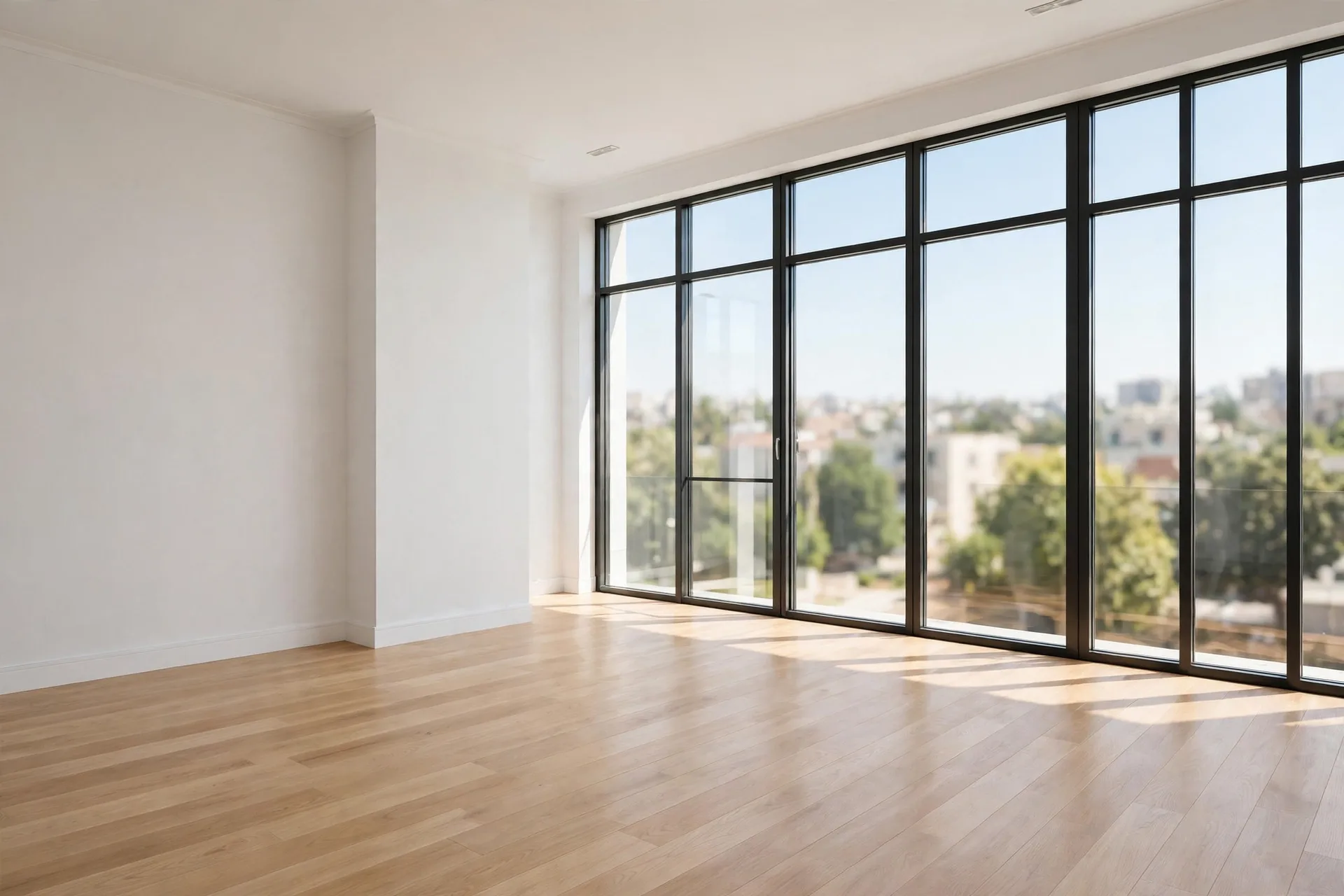
A good staging job is hard to spot, and a bad one is obvious in seconds. The furniture must match the light in the photograph, the shadows must fall in the right direction, and the scale must be believable. When those details are right, a staged photo looks like a furnished home. When they are wrong, the room looks like a catalogue cut-out. A good 3D render has a different kind of realism: the light bounces the way it would in real life, materials have texture and reflection, and the camera sits at eye level like a real photograph. The best renders are now indistinguishable from photographs. The honest difference is control versus authenticity. Staging keeps the real room, so the architecture is exactly right, but the furniture is a flat image. Rendering rebuilds everything, so the furniture is fully three-dimensional, but the architecture depends on the plans and the skill of the artist. The test is simple: show the image to someone who has seen the real room. If they hesitate, the image needs more work.
When Each One Wins
Match the service to the situation. Virtual staging wins when the property already exists, the photographs are already taken, the budget is under 500 dollars, and the listing goes live within the week. It also wins for rentals and for older homes where buyers need to see past dated decor. 3D rendering wins when the property does not exist yet, when you need more than one angle of the same room, when the design is the selling point, and when the budget is part of a launch campaign. It also wins for high-value homes, where a 3,000 dollar render set is a small share of the sale price and the images serve a brochure, a website, and a sales office. Rendering also wins when the empty room itself is the problem. A small bedroom can look smaller in a photograph, and a staged photo cannot fix the proportions. A render can widen the lens, brighten the light, and show the room at its best. Our developer rendering guide shows how off-plan launches use renders to sell before construction.
Can You Combine Them?
Yes, and many agents do. The most common combination is renders for the launch and virtual staging for the follow-up. A developer launches with a full render set, and months later the agent virtually stages the real photographs for resale listings. Another option is renders for the hero images and staging for the secondary rooms, which controls the budget. The two services are not rivals. They are tools for different stages of a sale. The only rule is disclosure: staged photos and renders should be labelled in the listing, so buyers know what they are looking at and trust the agent when they visit the real property.
Frequently Asked Questions
Is virtual staging the same as 3D rendering?
No. Virtual staging adds digital furniture to a real photograph. 3D rendering builds the whole room as a digital model and renders it into a new image. Staging edits a photo, rendering creates one.
How much does virtual staging cost in 2026?
Professional virtual staging costs 30 to 100 dollars per image, with most services charging 40 to 75 dollars. AI tools are cheaper, often 10 to 30 dollars, but quality and furniture choices are more limited.
How much does a 3D interior render cost?
A single interior render costs 200 to 800 dollars per view in 2026, with most residential interiors between 250 and 500 dollars, depending on room size, detail, and revision rounds included.
Which is better for selling a home, virtual staging or rendering?
For an existing home with a tight budget and a fast deadline, virtual staging is usually better. For a new development, a high-value home, or a launch campaign, rendering is usually better, because it shows any angle and can sell before construction.
Do I have to disclose virtual staging or renders in a listing?
Yes, in most markets you should. Label staged photos and renders clearly, so buyers know the furniture is digital or the design is not yet built. Disclosure protects you and builds trust.
Can virtual staging or rendering mislead buyers?
Either one can, if it changes the room itself: removing a wall, enlarging a window, or hiding a flaw. Good staging and rendering show the real space with furniture added, and never alter the architecture. Always check the final images against the real room or plans.
Virtual staging and 3D rendering both sell the same dream: a buyer who can see themselves living in the home. Staging does it fast and cheaply for a home that already exists. Rendering does it completely, from any angle, for a home that exists only on paper. Pick the one that fits your property, budget, and launch date. If you have a development to launch or a high-value home to present, send us your plans and we will build the renders that sell it.
Written by
Architecture Designing Team
3D Visualization Studio