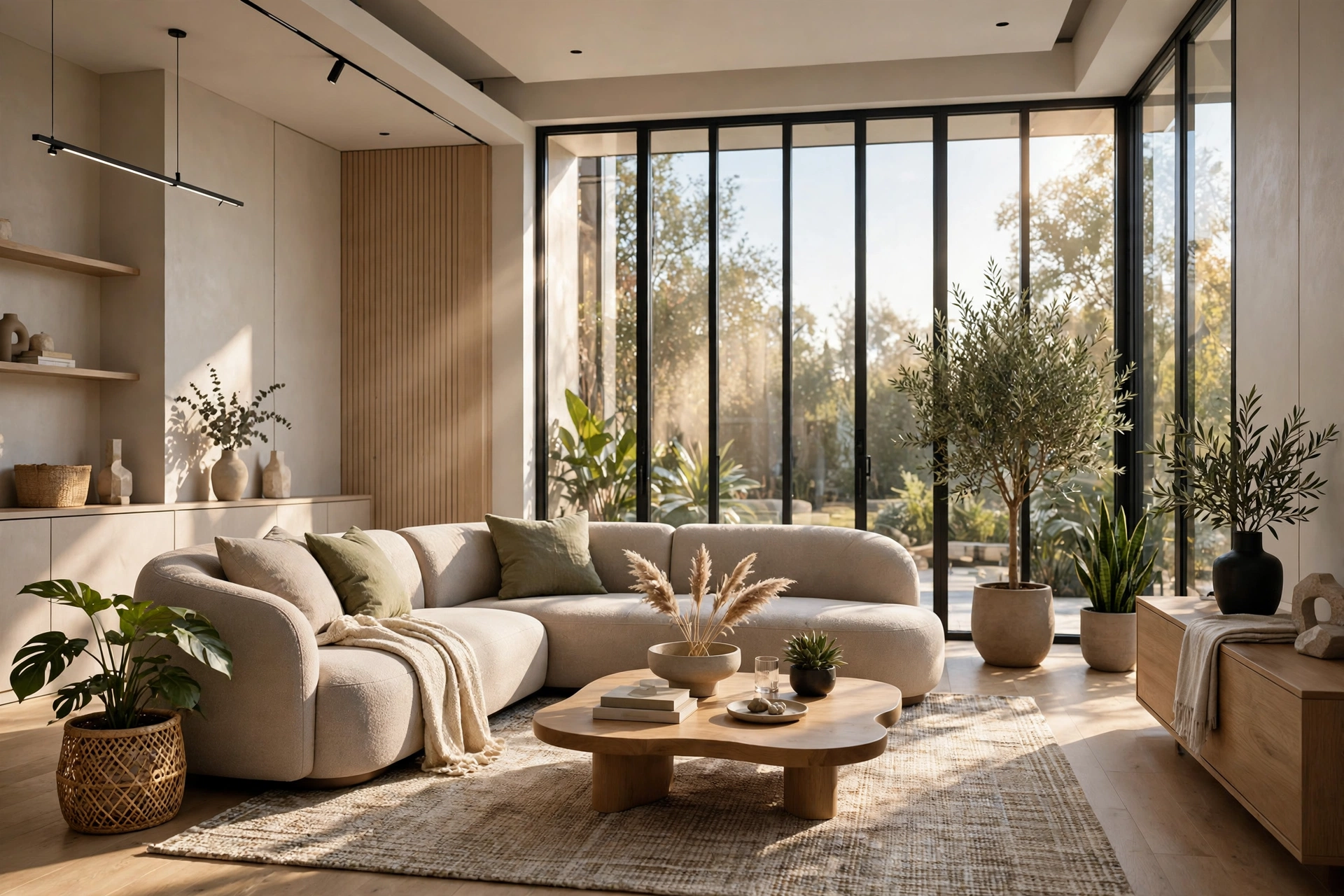
Interior Rendering Cost: 2026 Room-by-Room Pricing Guide
If you are planning a renovation, staging a property for sale, or presenting a design concept to a client, an interior rendering answers the one question every drawing cannot: what will it actually feel like to stand inside this room? In 2026, photorealistic interior renders are the default presentation tool for designers, developers, and homeowners, but pricing is still a black box for most buyers. This guide opens that box: real 2026 price ranges, room by room, the factors that move quotes, and how to get a fair fixed price.
A single interior still render in 2026 typically costs between $200 and $800, depending on the room's complexity, the level of detail, and the studio's location. A simple bedroom view can come in at the low end; a high-end kitchen with custom millwork, marble textures, and evening lighting sits at the top. Packages of 5 to 10 views for one property usually reduce the per-image price by 15 to 30 percent.
What an Interior Rendering Costs in 2026
Most studios price interior stills per image, with clear quality tiers. The ranges below reflect typical quotes from professional studios in 2026, covering a full workflow: 3D modeling from your plans, materials and lighting, test previews, revisions, and final high-resolution delivery.
- Budget tier ($150 to $300 per image): one clean camera view, standard furniture library, one lighting setup, limited revisions. Fine for early design exploration.
- Mid tier ($300 to $550 per image): custom materials, styled decor, two lighting moods (day and evening), and two to three revision rounds. The sweet spot for most presentations and listings.
- Premium tier ($550 to $800+ per image): bespoke furniture modeling, hero-level material detail, multiple lighting studies, and art-directed styling. Used for luxury listings, competitions, and brand campaigns.
Our full 3D rendering cost per image breakdown covers how interiors compare with exteriors, aerials, and animations if you are ordering a mixed package.
Room-by-Room Price Breakdown
Not all rooms cost the same to render. Kitchens and bathrooms demand exact materials, fixtures, and tiling layouts. Bedrooms and living rooms are faster because furniture placement carries most of the work. Here is what each room typically costs as a single photorealistic view in 2026.
Kitchen: $400 to $800
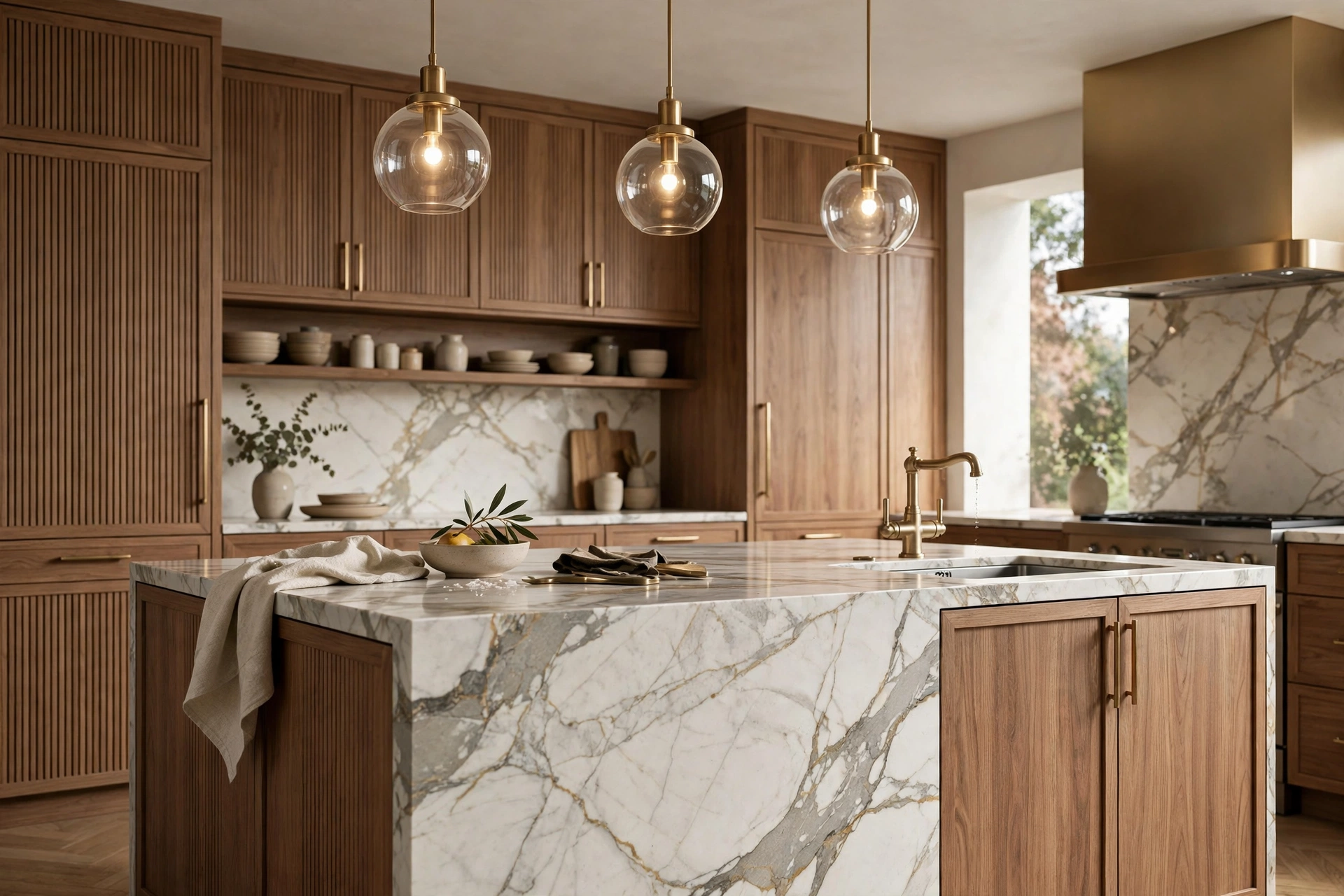
Kitchens are the most expensive room to render, and for good reason. Every cabinet line, handle, faucet, and backsplash tile has to be modeled or mapped accurately, and clients notice mistakes instantly. A premium kitchen render includes exact countertop veining, under-cabinet lighting, reflective appliances, and styled props like fruit bowls or cookware. If your kitchen has a custom island, wine storage, or a feature range hood, expect quotes at the top of the range. Sending the cabinet schedule, appliance models, and finish samples before production starts keeps the price and revision count down.
Living room: $250 to $600
Living rooms sit in the middle of the pricing ladder. The work centers on furniture arrangement, soft furnishings, lighting design, and the view through the windows. An open-plan living area with double-height ceilings, a fireplace feature wall, or custom joinery costs more than a standard rectangular room. Most living room renders in 2026 are delivered as day views, with an evening version available as a second image at a reduced rate since the scene is already built.
Bedroom: $200 to $500
Bedrooms are usually the most affordable interior view. The composition is straightforward, and studios work from strong furniture libraries. Prices rise for master suites with sitting areas, walk-in wardrobes, or en-suite bathrooms visible in the frame. For real estate marketing, one styled bedroom view is often enough; for interior designers presenting a full scheme, expect to order the primary bedroom plus one secondary bedroom.
Bathroom: $300 to $650
Bathrooms punch above their size in cost. Tile layouts, grout lines, glass reflections, sanitaryware shapes, and water effects all demand precision, and small spaces leave nowhere to hide sloppy modeling. A spa-style bathroom with a freestanding tub, backlit mirror, and feature tiles lands near the top of the range. If you are on a budget, ask whether the studio can reuse your kitchen's material library, which often shares stone and metal finishes with the bathrooms.
Open-plan living and dining: $350 to $700
Open-plan spaces combine the cost drivers of two rooms: kitchen detailing plus living-area styling, with the added challenge of making the whole space read as one composition. These views are worth the money because they sell the lifestyle buyers want. A single strong open-plan render often does more work in a listing than three separate small-room views, so studios frequently recommend it as the hero image of a property set.
What Moves the Quote Up or Down
Two studios quoting the same room can land hundreds of dollars apart, and both can be fair. The difference is scope. These are the levers that move an interior rendering quote:
- Modeling from scratch vs existing model: if you supply a SketchUp, Revit, or 3ds Max model, the studio skips the modeling phase and you save 20 to 40 percent. Our SketchUp to photorealistic render workflow explains what a clean model should include.
- Custom furniture and decor: library pieces are included in base prices; bespoke modeling of a designer chair or custom joinery is billed extra, often $50 to $150 per item.
- Lighting studies: each additional mood (day, dusk, evening) is essentially a second render pass. Bundling day and night versions of the same view usually costs 30 to 50 percent of a new image rather than full price.
- Resolution and output: web and listing use (2K to 4K) is standard. Large-format print for hoardings or trade shows (8K+) adds render-farm time and cost.
- Revisions: most quotes include two to three revision rounds. Unlimited revisions do not exist in professional pricing; studios that promise them hide the cost elsewhere.
- Turnaround: standard delivery is 3 to 5 working days per view. Rush jobs under 48 hours typically carry a 25 to 50 percent surcharge.
- Styling and art direction: props, books, plants, and textiles that make a room feel lived-in take real artist time. Heavily styled scenes cost more than empty architectural views.
Day Views vs Night Views: The Price of Mood
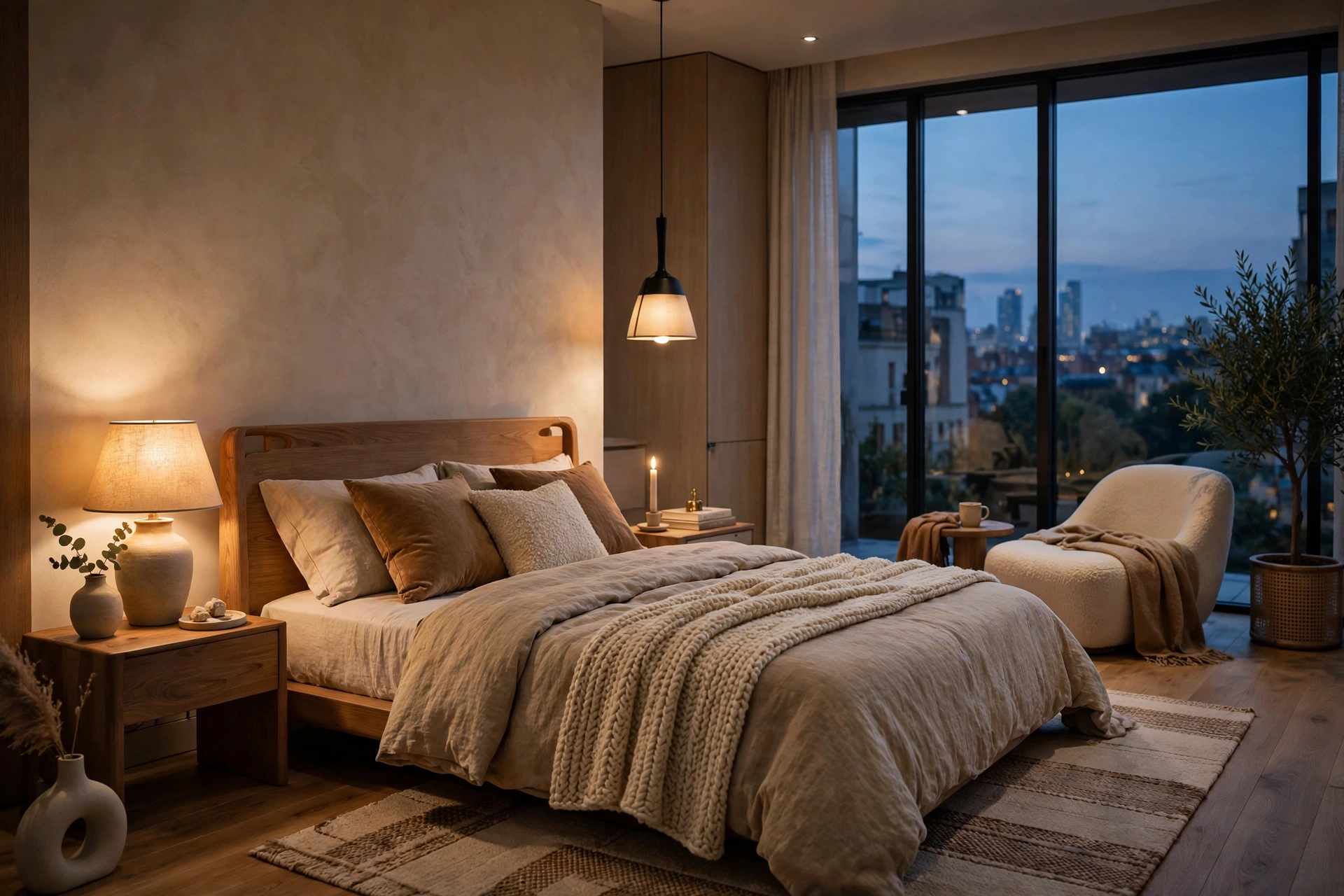
A day view is the default interior render: natural light through windows, true material colors, the safest choice for design approval and listings. A night or evening view, with lamps glowing and warm pools of light, sells atmosphere. Studios price a second lighting mood of the same scene at a discount, usually 30 to 50 percent of the first image, because the modeling and composition are already done.
For property marketing, the day view sells the space and the evening view sells the dream. Many developers order both for hero rooms (living room, master bedroom) and day views only for secondary spaces. For design presentations, stick with day views unless the lighting design itself is the subject, because evening renders flatter material accuracy. The 15 pro tips for photorealistic interior rendering show what separates a convincing evening render from a murky one.
How to Get an Accurate Fixed Price
Follow this checklist before you request quotes, and you will get comparable, honest numbers instead of vague ranges:
- Define the view list: name each room and the camera angle (e.g., "kitchen, view from dining end toward island"). Studios price per view, not per room.
- Share your floor plans and elevations: even rough dimensions cut modeling time. 2D plans are fine; a 3D model is better.
- Collect reference images: 3 to 5 photos of the style, materials, and mood you want. This single step prevents more revisions than any other.
- State the deliverables: how many images, day or night moods, and the final resolution and format you need.
- Ask what is included: revision rounds, turnaround time, and whether the source files are yours at the end. Our complete guide to architectural rendering services walks through the whole ordering process.
Frequently Asked Questions
How much does one interior render cost in 2026?
Between $200 and $800 for a single photorealistic view from a professional studio. Simple bedrooms start near $200, premium kitchens reach $800, and most mid-tier rooms land between $300 and $550.
Is it cheaper to order multiple interior views at once?
Yes. Ordering 5 to 10 views for one property typically cuts the per-image price by 15 to 30 percent, because the studio models shared spaces, materials, and lighting once and reuses them across views.
Why do kitchens cost more to render than bedrooms?
Kitchens require precise modeling of cabinets, appliances, fixtures, tiling, and reflective surfaces, and viewers scrutinize them closely. Bedrooms rely more on furniture arrangement, which is faster to produce from existing libraries.
How long does an interior rendering take?
Standard delivery is 3 to 5 working days per view, with the first test preview usually arriving within 48 hours. Rush delivery under 48 hours is possible at most studios with a 25 to 50 percent surcharge.
What should I send the studio to get an accurate quote?
Floor plans with dimensions, the list of views you want, reference photos of the style and mood, and your required resolution and deadline. A 3D model, if you have one, can reduce the price by 20 to 40 percent.
Are day and night versions of the same room priced as two renders?
Usually they are priced as one full image plus a discounted second mood, around 30 to 50 percent of the first image, because the scene is already built. Always confirm this in the quote.
Bringing It Together
Interior rendering pricing in 2026 is straightforward once you see the logic: you are paying for modeling time, material precision, lighting craft, and revision rounds, room by room. Budget $200 to $500 per view for standard rooms and $400 to $800 for kitchens and feature bathrooms. If you are comparing studios, read how to choose a 3D visualization studio before you sign anything. And when you are ready to see your own space rendered, contact our studio with your plans and a few reference images, and we will return a fixed, itemized quote within one working day.
Written by
Architecture Designing Team
3D Visualization Studio