3D Rendering for Real Estate Marketing: Sell Properties Faster Off-Plan
Selling property off-plan used to mean asking buyers to imagine their future home from floor plans and a showroom sample. Today, 3D rendering has changed the equation completely. Photorealistic visuals let buyers walk through unbuilt apartments, watch the sunset from a penthouse terrace, and fall in love with a home that exists only as data. For developers, the question is no longer whether to invest in 3D marketing visuals, but how to use them for maximum return.
This guide explains how 3D rendering drives real estate sales, which visual assets actually move the needle, how to plan a rendering package for a launch, and the mistakes that waste marketing budgets. Whether you are launching a boutique development of ten units or a multi-tower masterplan, you will learn how to turn pixels into presales.
Why Off-Plan Sales Depend on Visualization
An off-plan buyer is making the largest purchase of their life based on trust. Floor plans communicate layout but not feeling. Renders communicate feeling: the warmth of morning light in the kitchen, the sense of space in the living room, the prestige of the arrival experience. That emotional connection is what converts inquiries into reservations.
Well-produced visuals also expand your buyer pool geographically. International investors cannot visit a showroom, but they can explore a virtual tour from another continent. In competitive markets, the development with the most compelling visuals consistently generates more qualified leads, because every listing portal, brochure, and ad performs better with strong imagery.
The Essential Visual Assets for a Launch
A complete marketing package layers several asset types, each serving a different stage of the buyer journey.
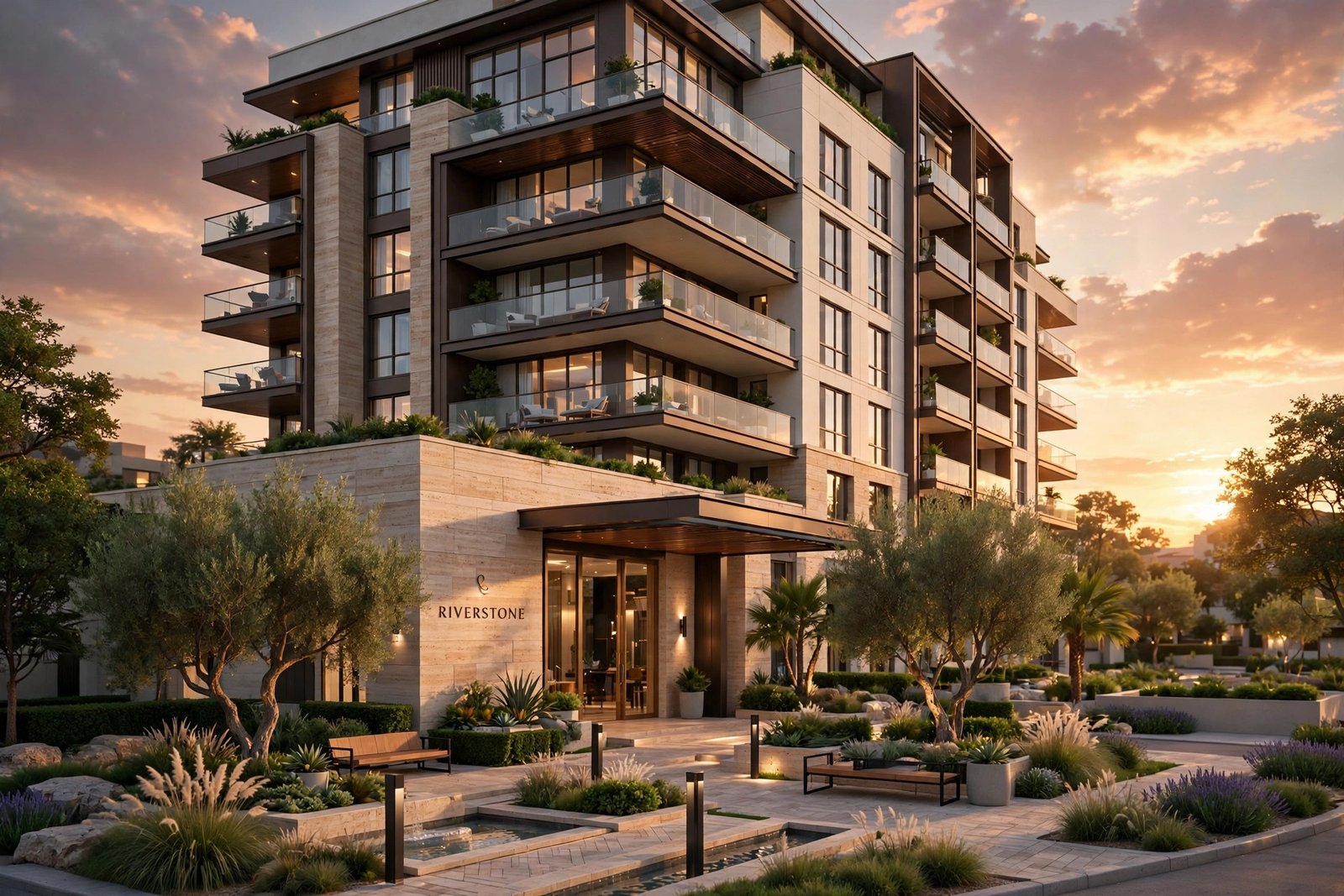
Hero exterior renders
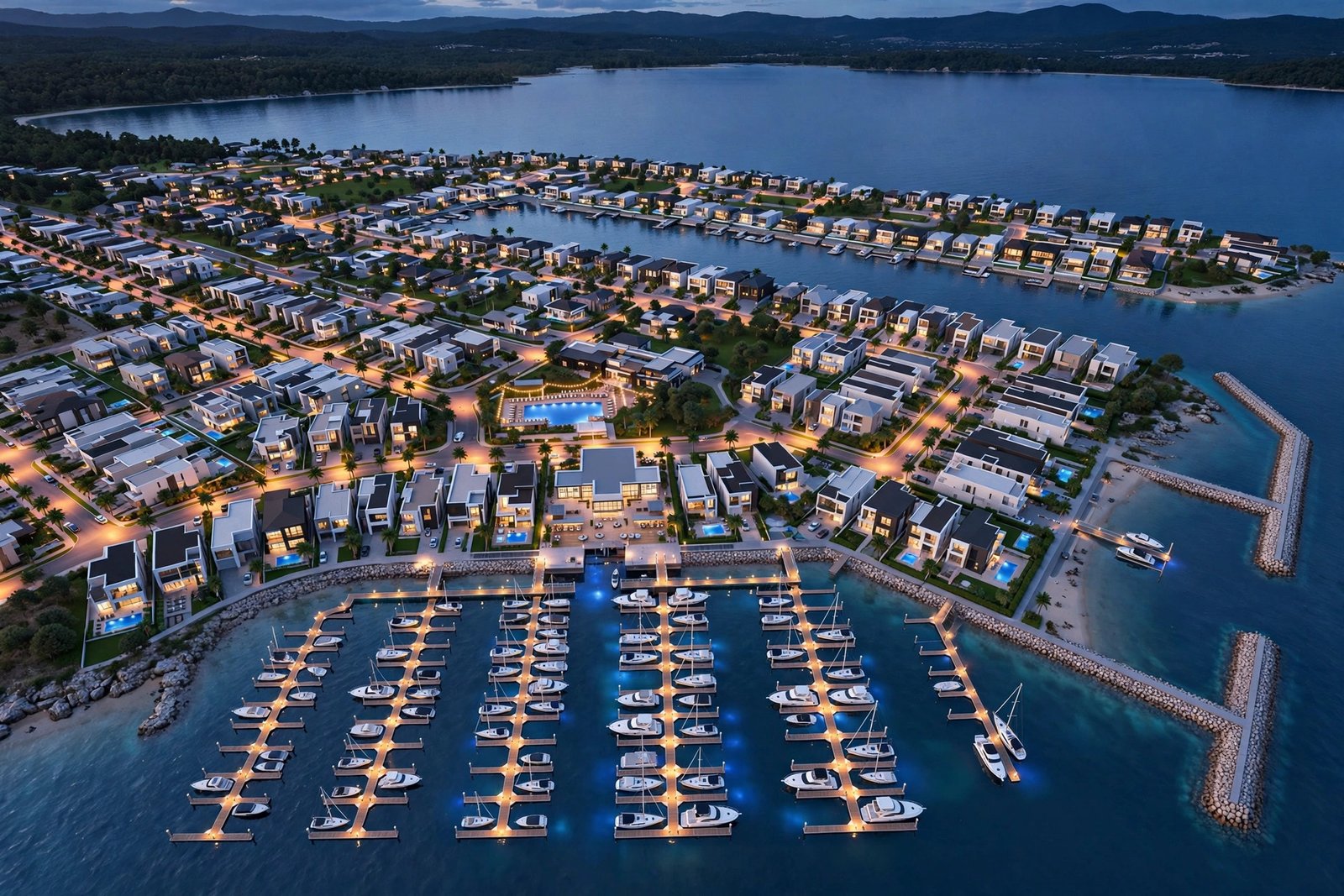
Two to four exterior views establish the development's identity. Include a daytime hero shot, a dusk shot with glowing windows, and at least one aerial showing the full context. These images lead every brochure, website header, and portal listing. Our resort visualization case study shows how hero exteriors set the tone for an entire campaign.
Interior lifestyle renders
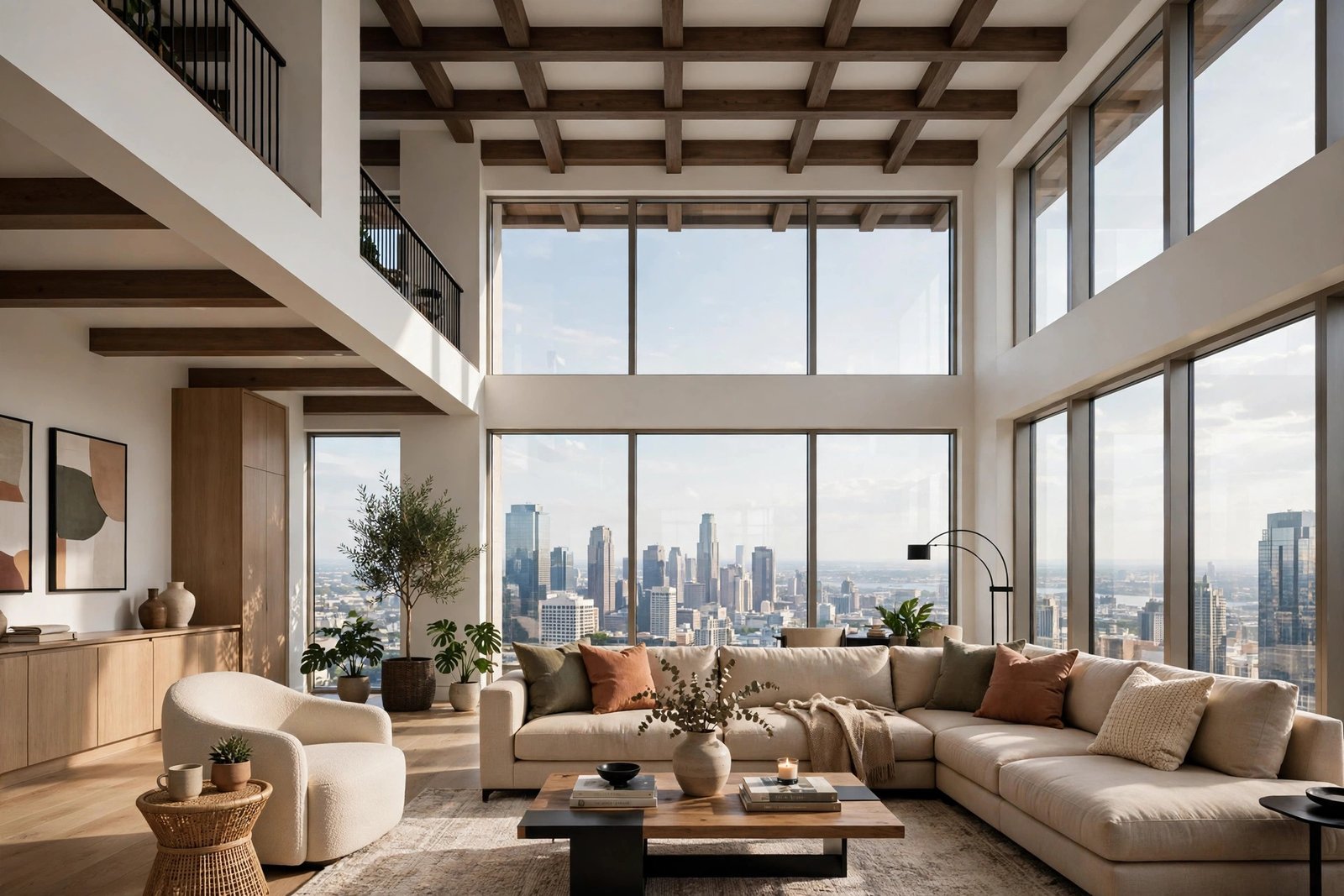
Buyers picture their lives in interiors, so these views sell the dream room by room. Prioritize the living areas, master bedroom, and kitchen. Style them for your target buyer: young professionals, families, or luxury investors each respond to different furnishing and mood. Keep the styling aspirational but believable.
Floor plans and 3D floor plans
Traditional 2D plans remain necessary for serious buyers, but 3D floor plans dramatically improve comprehension for everyone else. A furnished 3D plan lets a buyer instantly grasp room sizes and flow without learning to read architectural drawings.
Animation and virtual tours
A 60 to 90 second cinematic animation is the single most powerful asset for launches and social campaigns. It creates an emotional narrative that stills cannot match. Interactive 360-degree tours serve buyers who want to explore at their own pace. Immersive technology keeps advancing, and our look at VR in real estate marketing explores where this is heading.
How Renders Shorten the Sales Cycle
Strong visuals compress every stage of selling. At the awareness stage, striking renders earn clicks and shares that plain listings never get. During consideration, detailed interiors and tours answer buyer questions without a site visit, which matters enormously for remote buyers. At decision time, consistent, high-quality imagery signals developer credibility and reduces perceived risk.
There is also a pricing effect. Developments presented with premium visuals can sustain premium pricing because buyers perceive higher quality before they ever visit. The visualization budget, typically a fraction of one percent of gross development value, is among the highest-ROI spending in the entire marketing mix.
Planning Your Rendering Package
Start visualization early, ideally alongside detailed design, so renders are ready when marketing begins. Rushing renders in the final weeks before launch produces compromised work and stressed teams. A sensible timeline allows six to ten weeks for a full package including animation.
Brief the studio on your buyer persona, not just the building. A family-oriented suburban scheme needs warm, lived-in styling, while an investor-targeted city tower needs sleek, high-contrast imagery. Share competitor marketing so the studio can differentiate your visuals rather than imitate them. For a sense of how a full project unfolds, read our behind the scenes guide to visualization production.
Typical launch package and budget
- 4 to 6 exterior renders including dusk and aerial views: $2,000 to $5,000
- 6 to 10 interior renders across unit types: $2,500 to $6,000
- 3D floor plans for each unit type: $500 to $1,500
- 60 to 90 second animation: $5,000 to $12,000
- 360 virtual tour of key spaces: $1,500 to $4,000
Total launch packages for mid-size developments typically run $12,000 to $25,000. Against the value of even a few accelerated sales, the math is compelling.
Art Direction: Styling Renders for Your Buyer
Generic luxury styling does not sell to everyone. The furniture, color palette, and even the time of day in your renders should reflect the life your target buyer wants. A downtown condo aimed at young professionals benefits from bold, energetic styling with home-office setups and city views. A suburban family development needs warm kitchens, children's bedrooms, and gardens that look used and loved. Retirement-oriented schemes should emphasize calm, accessible spaces with soft natural light.
Small details carry disproportionate weight. A coffee cup on the kitchen island, an open book on the sofa, or children's toys tidied into a corner make spaces feel inhabited rather than staged. Professional studios maintain extensive 3D asset libraries precisely so these lifestyle details can be added without modeling everything from scratch. When briefing your studio, describe the buyer as a person, not a demographic segment, and share reference photography of interiors they would admire.
Consistency across the package matters as much as individual image quality. Use the same design language, material palette, and color grading across exteriors, interiors, and animation so the development feels like one coherent place. Buyers may not consciously notice consistency, but they feel its absence as a vague lack of trust.
Common Mistakes That Waste Rendering Budgets
The most expensive mistake is starting renders before the design is locked. Every facade change or layout revision after modeling means rework billed at hourly rates. Finalize materials, colors, and unit mixes first. The second mistake is ordering too few views and reusing the same three images everywhere, which makes the campaign feel thin. The third is neglecting the surrounding context: a beautiful tower floating in an empty grey void tells buyers nothing about the neighborhood they are buying into.
Finally, do not let renders and branding drift apart. The color grading, mood, and styling of your visuals should match your brochure design, website, and sales gallery. Consistency builds the premium perception that justifies your pricing.
Measuring the Return on Visualization
Track lead quality, not just lead volume. Developments with strong visuals typically see higher inquiry-to-viewing conversion because buyers arrive pre-sold on the lifestyle. Monitor portal listing performance: listings with professional renders consistently outperform those with plans alone on click-through and saved searches. And track time-to-first-reservation after launch, since faster early sales improve cash flow and project confidence.
One caution: renders must be accurate. Misleading visuals that overstate views, space, or finishes create legal risk and damage trust when buyers visit the finished product. Professional studios build from your actual plans and flag discrepancies rather than hiding them. Accuracy is a selling point, not a limitation.
Frequently Asked Questions
When should we commission renders for a launch?
Begin during detailed design, at least eight to twelve weeks before your planned launch. This allows time for modeling, revisions, and animation production without rush fees or quality compromises.
How many renders do we need for a development launch?
A solid launch package includes four to six exteriors, six to ten interiors covering each unit type, 3D floor plans, and ideally a short animation. Smaller schemes can launch with fewer, but thin visual coverage weakens every marketing channel.
Can renders really help sell at higher prices?
Yes. Premium, consistent visuals raise perceived quality and buyer confidence, which supports stronger pricing. The effect is strongest in competitive markets where buyers compare multiple off-plan options side by side.
What is the difference between a virtual tour and an animation?
An animation is a directed cinematic video that tells a story. A virtual tour is interactive, letting buyers navigate spaces themselves via 360-degree viewpoints. Both are valuable, and they serve different buyer preferences. Many launches include both.
Do we need a 3D model to get started?
No. Studios can build everything from your 2D drawings. Supplying a BIM or SketchUp model saves time and cost, but it is not required. Either way, the sooner you engage the studio, the smoother the production schedule will be.
Are AI-generated property images a cheaper alternative?
AI tools can produce attractive images, but they cannot guarantee architectural accuracy, correct dimensions, or consistency across views, all of which matter legally and commercially in property sales. For marketing that buyers rely on, real 3D visualization built from your plans remains the professional standard. See our analysis of AI in architectural visualization for a balanced view.
Written by
Architecture Designing
3D Visualization Studio