How AI Is Reshaping Architectural Design and Visualization
The Dust Has Settled
When generative AI first appeared in architecture, the reaction was predictable: excitement from technologists, anxiety from traditionalists. Two years later, the dust has settled, and the reality is far more nuanced, and far more exciting, than either camp predicted.
AI isn't designing buildings. What it is doing is compressing the exploration phase from weeks to hours. Tools like parametric AI generators can produce hundreds of massing studies in minutes, each optimized for different variables: solar exposure, structural efficiency, view corridors, or construction cost. The architect's role shifts from drawing every option to curating the best ones.
AI Across the Design Workflow
Concept and Massing
Generative tools now produce viable massing options from simple constraints: site boundaries, floor-area targets, daylight requirements. Architects review dozens of directions in the time it once took to model one. The skill that matters is no longer drafting speed but judgment, knowing which option deserves development.
BIM and Documentation
AI copilots inside BIM software autocomplete repetitive detailing, flag code compliance issues, and generate schedules from models. This is unglamorous work that consumes enormous hours, and it is exactly where AI assistance pays off fastest.
Performance Simulation
Machine-learning surrogates can approximate energy, daylight, and structural simulations in seconds rather than hours, letting designers iterate with performance feedback live in the loop instead of as a post-design audit.
AI in the Visualization Pipeline
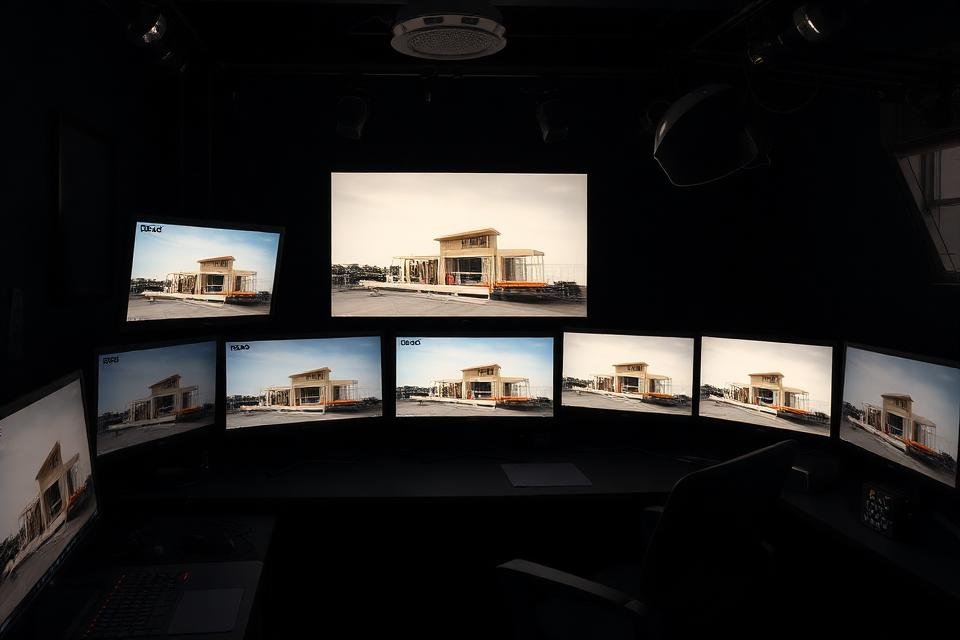
In visualization, AI has transformed our production pipeline. Neural radiance fields (NeRFs) allow us to generate photorealistic 3D environments from a handful of photographs. AI upscaling lets us produce 8K renders in a fraction of the time. And AI-powered material generation means we can create unique, physically accurate textures without a photographer.
Specific tools now embedded in professional pipelines include:
- AI denoisers that clean renders at a fraction of the samples once required, cutting render times dramatically.
- Upscalers that turn fast low-resolution drafts into presentation-quality finals.
- Generative fill and outpainting for extending backgrounds and skies without reshooting.
- Material generators that produce tileable, physically based textures from text prompts or reference photos.
Client Communication Transformed
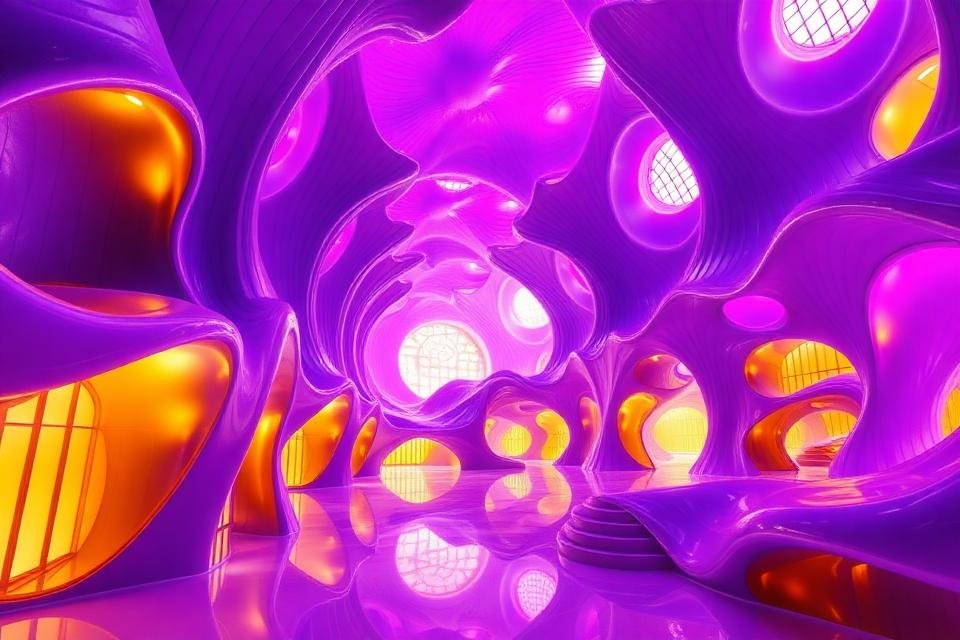
But the most profound change is in client communication. AI-generated concept imagery allows us to show clients multiple design directions within the first meeting, before any detailed modeling has begun. This accelerates decision-making and reduces expensive revisions later in the process.
There is a responsibility here: concept imagery must be clearly labeled as indicative, not final. Studios that blur this line invite painful conversations when the developed design inevitably differs from an AI fantasy.
Quality Control in an AI Workflow
AI output is a starting point, never a deliverable. Our studio's rule: every AI-generated element passes human review for three things, physical plausibility (does this structure stand up?), material honesty (are we showing something buildable?), and brand consistency (does it look like our work?). Anything that fails any check gets rebuilt by hand.
Ethics and Disclosure
Clients deserve to know when AI contributed to their imagery, particularly for marketing materials where renders imply a real future building. Copyright frameworks are still evolving around AI-generated content, so keep records of your process and prefer tools with clear commercial-use terms. When in doubt, disclose.
Skills That Matter More Than Ever
The tools we use have changed, but the craft hasn't. A render still needs a human eye for composition. A building still needs an architect who understands how people move through space. AI amplifies talent; it doesn't replace it. The highest-value skills now are curation, prompt engineering as a design language, and the storytelling ability to turn options into decisions.
Further Reading
If you found this article helpful, you may also enjoy:
Frequently Asked Questions
Will AI replace 3D artists?
No. It replaces the slowest parts of their workflow, which raises the bar for what clients expect. Artists who direct AI tools produce more and better work; artists who ignore them fall behind.
Which AI tools should a small studio adopt first?
Start with a denoiser and an upscaler in your existing renderer: immediate time savings, zero workflow disruption. Add concept-generation tools once the team is comfortable.
How do I keep AI renders consistent across a project?
Lock a style reference early, reuse seeds and settings, and finish every image with the same human-led color grade. Consistency comes from process, not from the tool.
AI and the Business of Visualization
AI is also reshaping studio economics. Faster concept phases mean tighter timelines and, paradoxically, higher client expectations: when clients know exploration is cheap, they ask for more options. Successful studios respond by productizing the exploration phase, offering structured option packages rather than open-ended revisions, and by moving pricing toward value (speed, options, insight) rather than hours.
There is also a defensive moat forming around process. Any studio can buy the same AI tools; the advantage lies in the workflows, libraries, and quality standards built around them. Document your AI pipeline like the trade secret it is.
A 30-Day Adoption Plan
- Week 1: add an AI denoiser to your current renderer and measure the time saved.
- Week 2: trial an upscaler on draft renders; compare against native high-res output.
- Week 3: run one real project milestone through an AI concept tool and present the options to the team.
- Week 4: write down what worked, what didn't, and the quality gates you will enforce. Adopt formally or discard deliberately.
Small, measured experiments beat grand AI strategies. The studios winning with AI are the ones that treated it as a series of practical trials, not a revolution to be announced.
Written by
Lucas Fischer
Lead 3D Artist