3D Rendering for Architects: ROI, Approvals and Design Wins
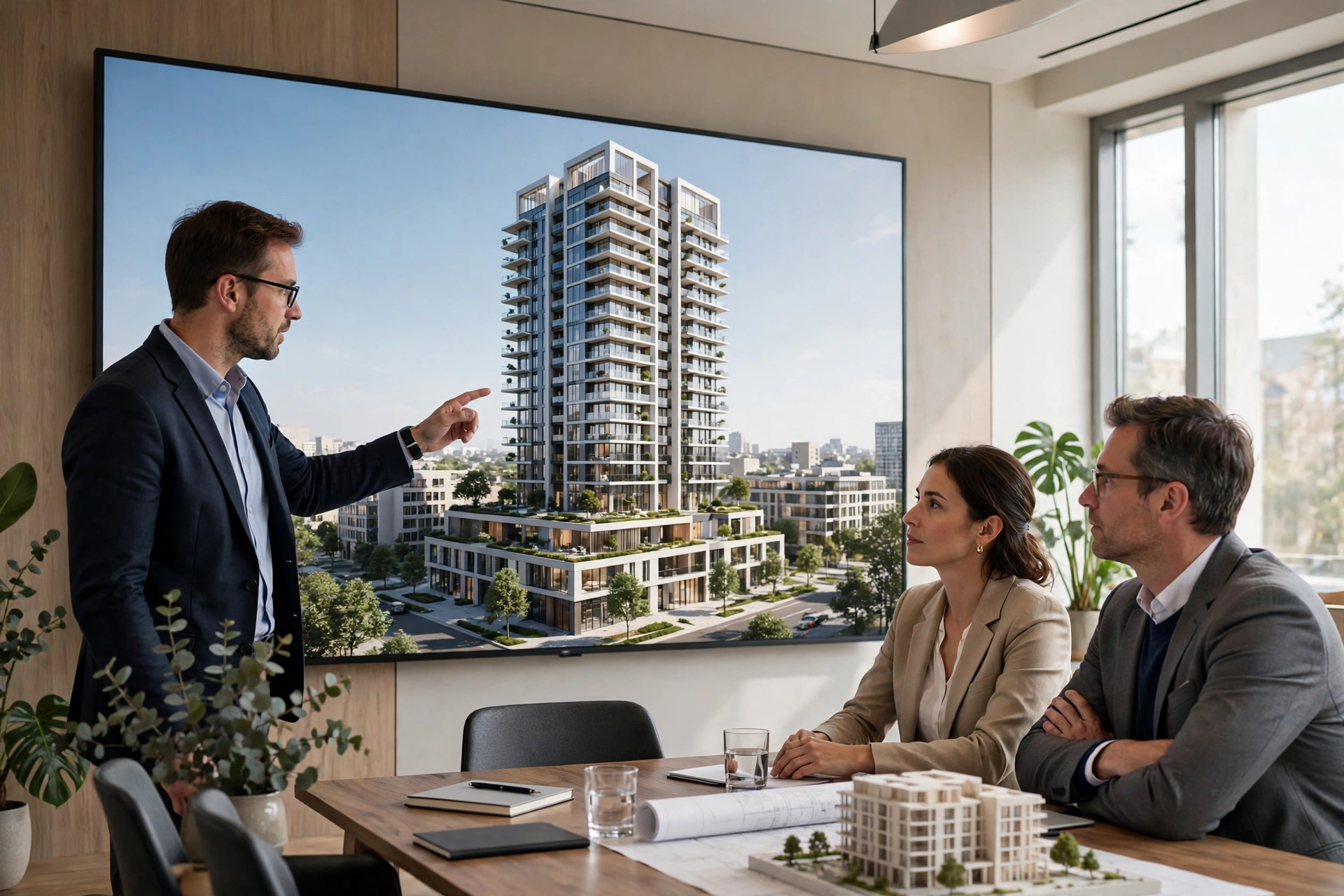
For most architects, the biggest business risk is not a bad design. It is a great design that nobody buys. Plans and elevations speak the language of the profession, but clients, investors, and planning boards do not think in drawings. They think in feelings: what it will be like to walk in, to live there, to work there. 3D rendering for architects closes that gap. It turns technical intent into a photorealistic image that anyone can understand in five seconds, and that single change ripples through every part of a practice, from winning bids to surviving construction without expensive redesigns.
This article makes the business case, not the artistic one. You will find concrete arguments for return on investment, faster approvals, fewer on-site changes, and higher fees, plus where rendering slots into a working practice and what it costs to start.
Win More Bids With Renders That Sell the Vision
When a client or developer compares three firms, they rarely have the technical fluency to judge whose structural logic is better. They judge what they can see and feel. A proposal anchored by photorealistic stills, or a short animated walkthrough, communicates finished quality in a way that line drawings never can. It lowers the perceived risk of choosing you, because the committee feels they already know what they are buying.
Studios that present rendering-led proposals report higher shortlist and conversion rates, especially on competitive design-build and developer work where decision teams include non-technical stakeholders. The math is straightforward: if rendering lifts your win rate from one in six to one in four on mid-size commissions, a single extra project pays for a year of rendering many times over. Rendering is not a marketing luxury. If you are deciding between in-house capability and a partner, start with our guide to architectural rendering services to see how the engagement models compare.
Get Client Approvals Faster, With Fewer Revision Cycles
The slowest part of most projects is not design. It is decision-making. Clients hesitate when they cannot picture the outcome, so they ask for one more option, then another, and each round burns billable hours. Photorealistic renders collapse that hesitation. When a client can see the actual material, the actual light, and the actual proportion, they make finish and layout decisions in a single meeting instead of over three weeks of email threads.
Real-time tools have made this even more powerful. With Enscape, Lumion, or Twinmotion, you can change a facade material, a floor finish, or the time of day live in front of the client and watch their reaction. The client stops asking "what would it look like if" because you can show them immediately. For final presentation imagery, offline engines like V-Ray or 3ds Max with Corona still produce the highest-fidelity hero shots, but the live tools have become the approval accelerator, cutting approval rounds and protecting the fee.
Catch Design Problems Before They Become Construction Costs
Every architect knows the rule: a change on screen is cheap, a change on site is expensive. A facade panel system that clashes with the window module, a lobby that feels cramped once the ceiling height meets the ductwork, a courtyard that is in shadow all winter. These problems are nearly impossible to spot in plan, but they are obvious in a render.
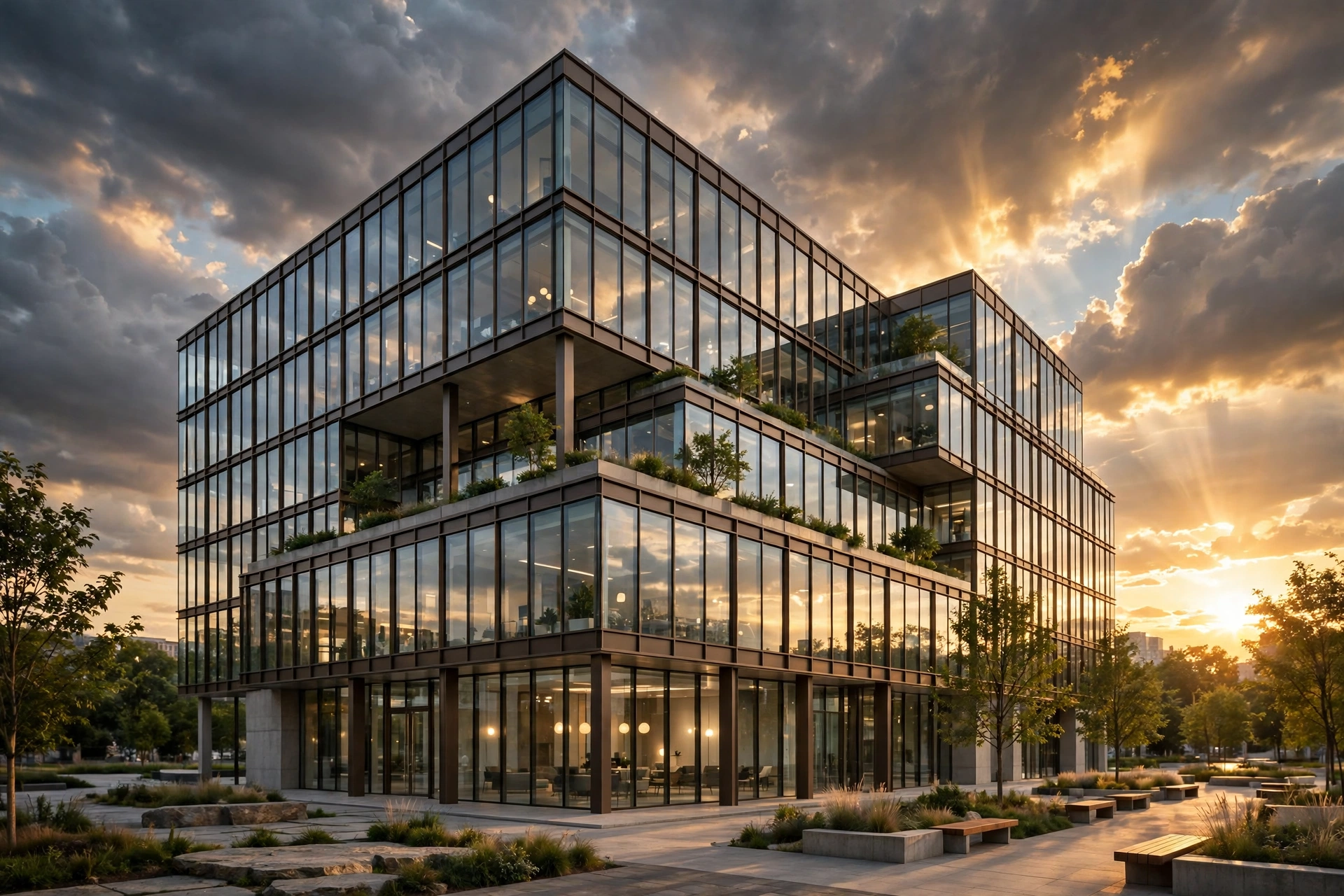
Rendering functions as design quality control. Sun and shadow studies reveal orientation and overhang mistakes months before they become permanent. Material studies show whether stone, metal, and glass actually harmonize instead of fighting. Camera angles from the street, the lobby, and the upper floors expose proportion errors that drawings hide. The cost asymmetry is brutal: redesigning a detail during construction can easily cost ten to fifty times what fixing it on screen would have cost. Two avoided on-site changes in a year typically exceed the rendering budget for a mid-size studio. For a detailed walkthrough of exterior studies, see our exterior 3D rendering guide for architects.
Justify Premium Fees and Strengthen the Practice Brand
Clients pay more for certainty. A firm that presents every scheme with polished, photorealistic visuals is perceived as more capable, more professional, and safer to hire than a firm with the same design talent but sketch-level presentation. That perception converts directly into fee tolerance. Studios that invest in presentation quality consistently report commanding 15 to 30 percent higher fees on comparable work, because the client feels the service is premium before the contract is even signed.
The compounding effect is in marketing. One great render set can be reused across your website, proposals, social media, and award entries. A project that was never built can still market the next three commissions, which is why rendering also pays off for speculative and competition work. Developers reuse the same imagery for their own pre-sales marketing, as we explored in our article on 3D rendering for real estate marketing, and that shared value makes your fee feel smaller to them. The visual portfolio becomes a business asset that keeps working after the project closes. Our Skyline Penthouse case study shows how one render-driven presentation carried a project from concept to client sign-off without a single redesign round.
Where Rendering Fits in a Real Practice
Rendering earns its keep in three places, and each one maps to revenue.
Competitions and planning presentations
Juries and planning boards decide in minutes. A single hero aerial or a 60-second flythrough frames the entire narrative of your submission and makes the scheme memorable among dozens of entries. For planning, photorealistic context views that show the building in its actual streetscape defuse the most common objection, which is fear of the unknown. Boards approve what they can already picture.
Client communication during design development
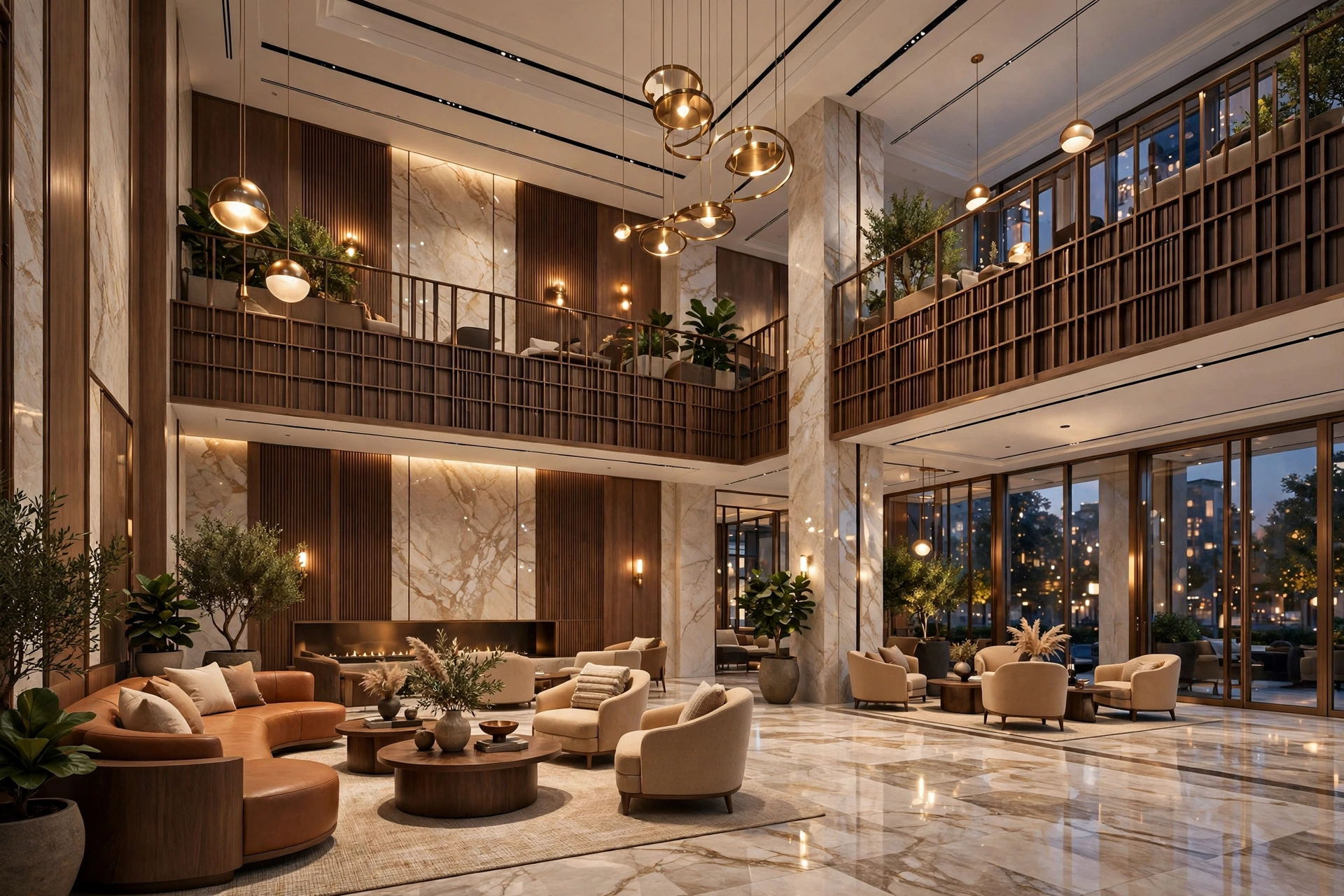
This is the everyday workhorse use. Progress reviews with renders instead of raw model screenshots keep the client aligned with the design intent at every milestone, which prevents the late-stage "this is not what I imagined" crisis. Interior renders are particularly decisive here, since finishes are the hardest decisions for clients to make from samples alone. Our photorealistic interior rendering tips cover how to get believable results on this kind of work.
Portfolio and marketing
Every published project should leave behind a render set built for marketing, not just for the client. Consistent, high-quality imagery across your site and social channels raises the perceived tier of the practice, which attracts larger clients at better fees. This is the flywheel: better images, better clients, better projects, better images.
What Rendering Actually Costs a Firm
The cost question usually resolves into build versus buy. Building in-house means licenses and learning time: Enscape or Twinmotion for real-time work at a few hundred dollars per seat per year, plus 3ds Max and V-Ray or Corona for high-end stills at several thousand per seat annually, plus a workstation that can handle the load. The learning curve is real but manageable, and the payoff is total control over turnaround.
Outsourcing to a visualization studio typically runs from about $800 to $2,500 per photorealistic still image depending on complexity, with short animations and interactive walkthroughs priced per project, often in the $3,000 to $15,000 range. For most firms doing under a dozen major presentations a year, outsourcing wins on cost and quality. Many run a hybrid: real-time tools in-house for daily design reviews, outsourced studio work for the hero images that win bids.
Frequently Asked Questions
How much does 3D rendering cost for an architecture project?
Outsourced photorealistic stills typically cost between $800 and $2,500 per image depending on scene complexity, while short animations and walkthroughs usually run from $3,000 to $15,000 per project. In-house, expect a few hundred dollars per seat per year for real-time tools like Enscape or Twinmotion, and several thousand per seat annually for a high-end setup like 3ds Max with V-Ray or Corona.
Do architects need to learn rendering software themselves?
Not necessarily. Many successful firms outsource presentation imagery to visualization studios while using lightweight real-time tools in-house for design reviews. The decision comes down to volume: if you present major schemes monthly, in-house capability pays for itself; if you need hero imagery a few times a year, outsourcing is cheaper and the quality is higher.
What is the ROI of 3D rendering for architects?
The return comes from three places: a higher proposal win rate, faster client approvals that protect your fee, and fewer costly design changes during construction. A single extra won commission or one avoided on-site redesign typically covers a full year of rendering costs for a mid-size practice.
Which rendering software is best for architects?
For speed and client meetings, Enscape, Lumion, and Twinmotion lead because they render in real time and update live as you design. For the highest-fidelity stills, 3ds Max with Corona or V-Ray remains the industry standard. Most firms get the best of both worlds by using real-time tools daily and reserving offline engines for hero shots.
Can 3D rendering help with planning approvals?
Yes. Planning boards respond strongly to photorealistic context views that show the proposed building in its actual streetscape, because they remove the fear of the unknown that drives most objections. Accurate sun studies and massing views also demonstrate that you have done the due diligence the board expects.
Is 3D rendering worth it for small firms?
Arguably more so. Small firms compete on perception as much as on design, and polished renders let a five-person studio present with the confidence of a fifty-person one. Outsourcing keeps the cost variable, so a single annual flagship presentation can lift the win rate on the projects that matter most.
The firms that win the next decade of commissions will be the ones whose clients never have to imagine. Rendering turns your design intent into something a client can feel, a board can approve, and a contractor can build without expensive surprises. That is not a visualization expense. It is a business strategy, paying for itself every time a bid lands, a meeting ends in approval, or a detail gets fixed on screen instead of on site. If you have a project that needs to be seen to be believed, contact our studio and we will help you present it the way it deserves.
Written by
Architecture Designing Team
3D Visualization Studio