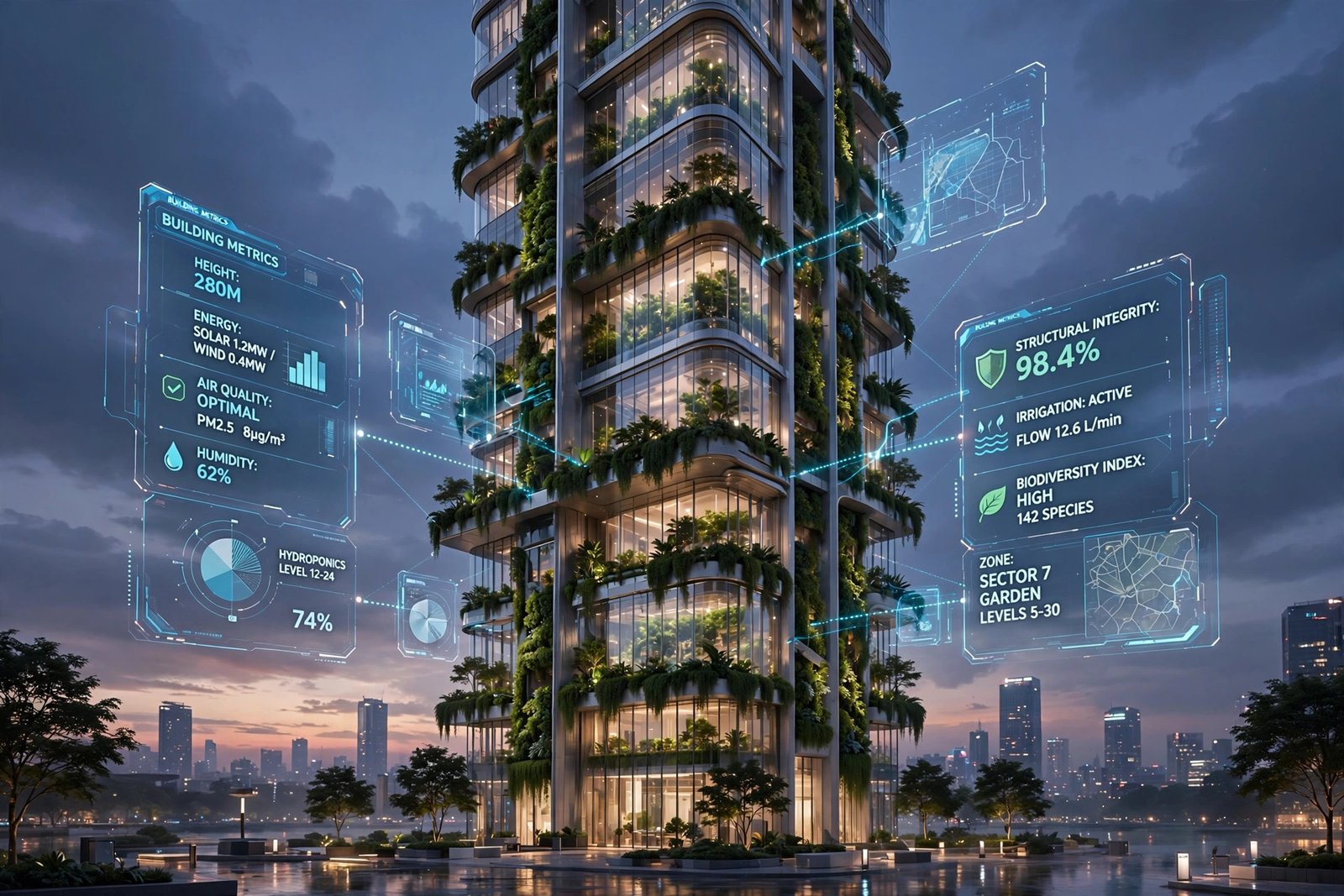
3D Architectural Visualization Trends Shaping the Industry
Architectural visualization is changing faster than at any point in its history. Real-time engines now produce near-final quality in seconds. AI tools generate concepts from text prompts. Clients expect interactive experiences, not just static images. For architects, developers, and visualization artists, understanding these trends is not optional. It determines which skills to build, which tools to adopt, and how to stay competitive.
This article maps the major trends reshaping 3D architectural visualization right now: real-time rendering, AI-assisted workflows, immersive VR and AR, cinematic storytelling, sustainability visualization, and cloud production. For each trend, we explain what is genuinely changing, what is hype, and what it means for your practice.
1. Real-Time Rendering Goes Mainstream
The biggest shift in archviz is the move from offline rendering, where each image takes minutes or hours, to real-time engines that render instantly. Tools like Lumion, Twinmotion, and Unreal Engine let artists iterate with clients watching, changing materials, lighting, and even geometry live. That immediacy transforms client presentations from slide decks into collaborative design sessions.
Real-time quality has improved so dramatically that for many project types, the gap with traditional offline rendering is now negligible. Exteriors, conceptual interiors, and animations are increasingly produced entirely in real-time pipelines. Offline engines like V-Ray and Corona still lead for the most demanding photorealistic stills, but the territory they exclusively own keeps shrinking.
2. AI Assists Every Stage of Production
Artificial intelligence is not replacing visualization artists, but it is reshaping their workflows. AI tools now accelerate concept generation, material creation, image upscaling, and post-production. An artist can generate dozens of mood variations for client review in the time it once took to render one. AI denoising has slashed render times by cleaning noisy images in seconds.
The realistic near-term future is hybrid: artists direct the creative vision and ensure architectural accuracy while AI handles repetitive acceleration. Studios that integrate AI thoughtfully produce faster without sacrificing quality. Those that ignore it will find themselves outpaced on turnaround times. Our deeper analysis of how AI is reshaping architectural design separates the practical applications from the marketing hype.
Where AI genuinely helps today
- Concept exploration: rapid mood and style variations for early client discussions
- Material generation: seamless textures created from descriptions or reference photos
- Upscaling and enhancement: increasing resolution of drafts and old renders
- Denoising: dramatically shorter render times with clean results
- Post-production: sky replacement, entourage insertion, and color work assisted by AI tools
3. Immersive VR and AR Experiences
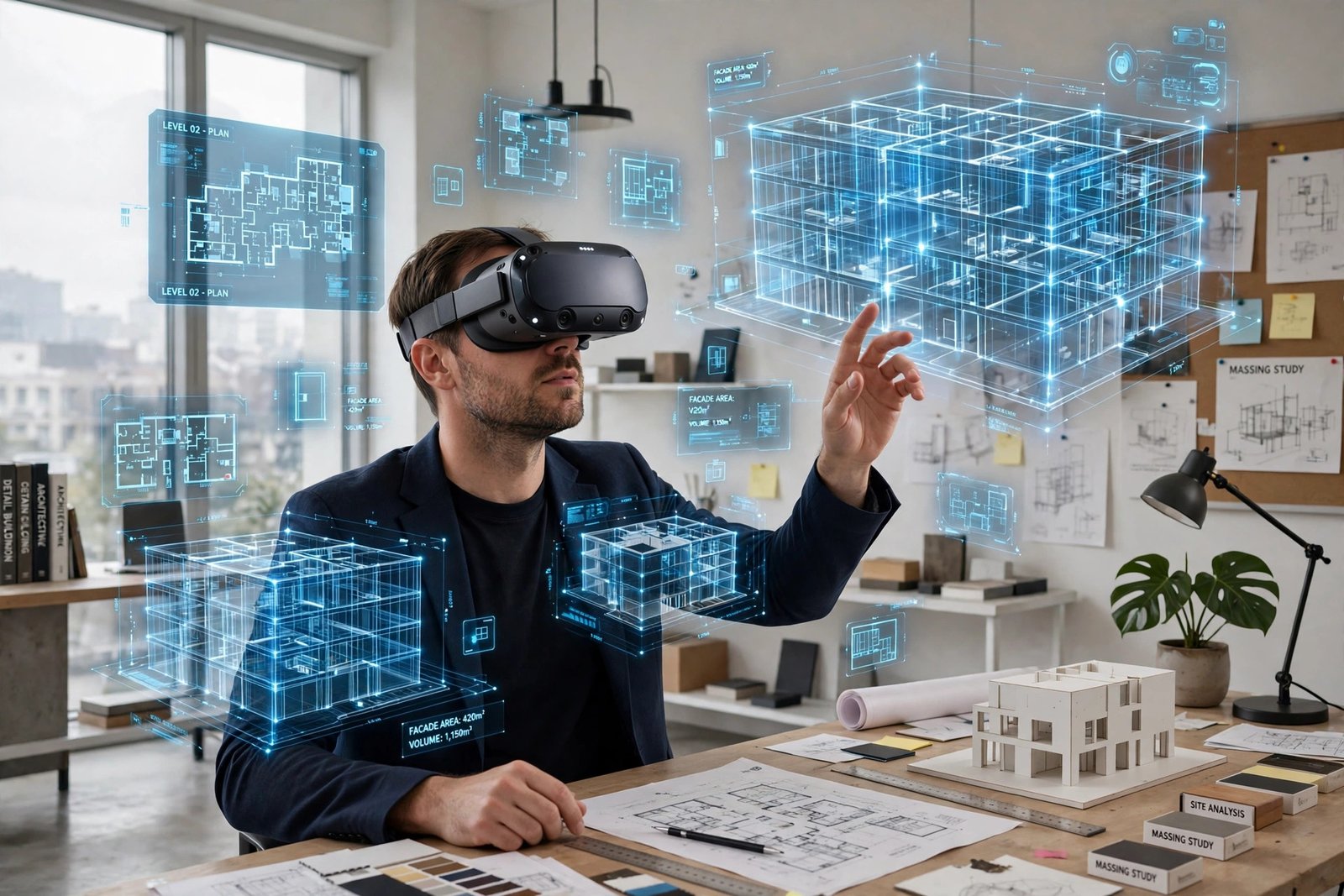
Virtual reality has matured from gimmick to genuine sales tool. Letting a buyer stand inside their unbuilt apartment, at true scale, creates conviction that no image can match. Developers of premium projects increasingly offer VR experiences in sales galleries, and the hardware keeps getting cheaper and more comfortable.
Augmented reality is growing alongside it. AR apps let clients point a phone at a site and see the proposed building in place, or point at a floor plan and see it rise in 3D. For planning consultations and public engagement, AR makes proposals tangible for non-technical audiences. The trajectory is clear: static images remain essential, but immersive formats are becoming expected at the premium end. We explore the real estate applications in our article on VR and the future of property marketing.
4. Cinematic Storytelling Becomes Standard
Visualization is borrowing the language of film. The best studios now think in terms of narrative arcs, pacing, and emotional beats rather than just camera angles. Animations open with establishing shots, build through sequences, and resolve on hero moments, scored with professional music and sound design. Even still image sets are art-directed as stories: arrival, exploration, intimate details, and the money shot.
This trend raises the bar for everyone. Clients who have seen cinematic developer films judge all visualization against that standard. Studios need storytelling skills alongside technical ones, and architects briefing studios should think about narrative, not just views.
5. Sustainability Visualization
As green building standards tighten worldwide, clients want to see environmental performance, not just read about it in reports. Visualization increasingly communicates solar strategies, green roofs, natural ventilation, water systems, and low-carbon materials. Some studios now produce dedicated sustainability diagrams and animations showing how a building performs across seasons.
This goes beyond marketing. Planning authorities and investors scrutinize environmental claims, and clear visualization builds credibility for genuine green design. Studios that can visualize performance data beautifully have a growing competitive advantage. The design side of this shift is covered in our guide to sustainable architecture trends.
6. Cloud Rendering and Distributed Production
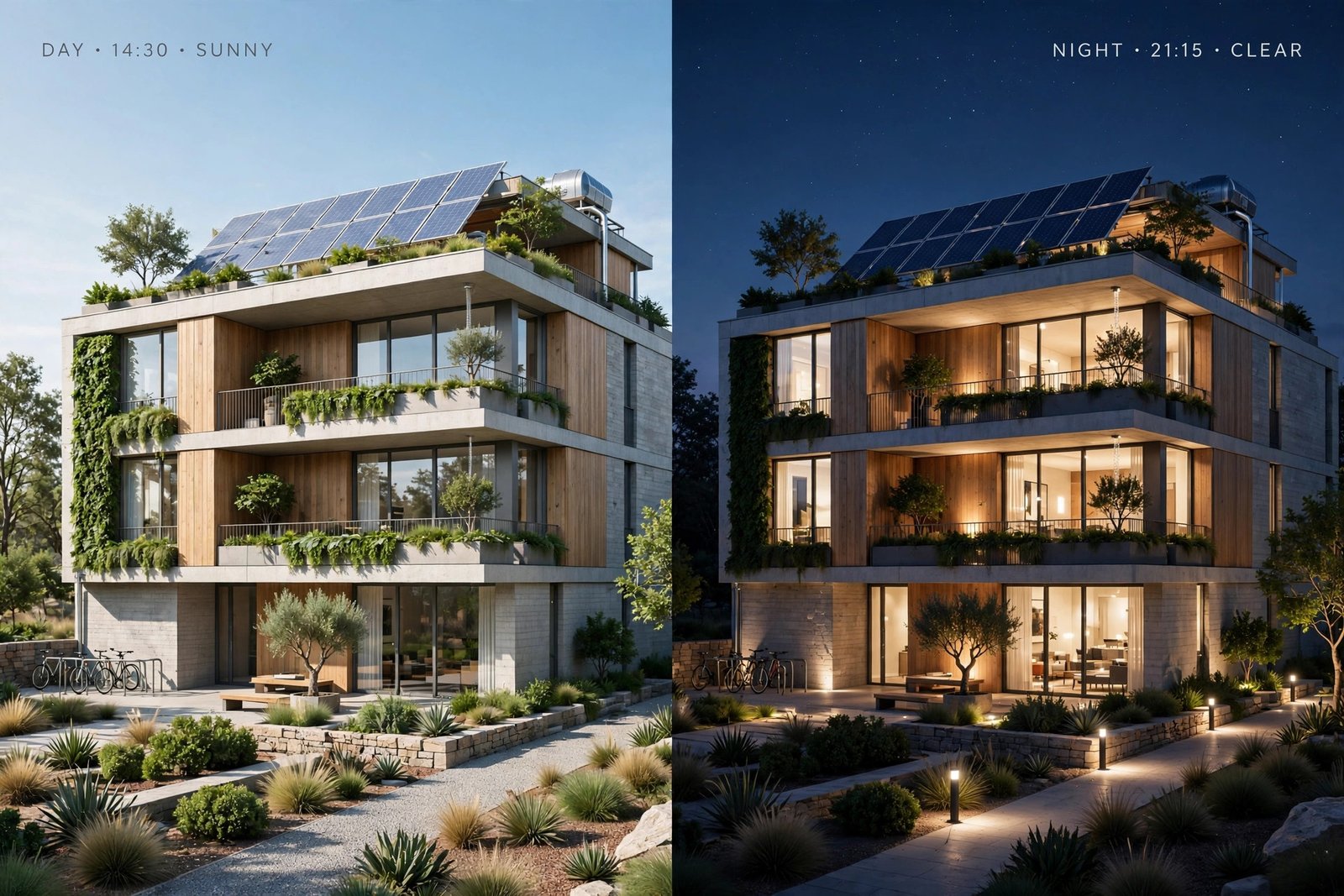
Render farms have moved to the cloud, and with them the economics of production. Studios no longer need rooms full of hardware. Artists can submit massive animation jobs to cloud services and get results overnight. This democratizes high-end work: a small team with good cloud workflows can now deliver projects that once required large studios.
Distributed collaboration is the companion trend. Modelers, lighting artists, and post-production specialists increasingly work across continents on shared cloud projects. The studios thriving in this environment are those with strong pipeline management and communication discipline, which is why process matters as much as talent. Our behind the scenes look at studio production shows how modern pipelines are organized.
7. Interactive Configurators and Digital Twins
The most forward-looking developers now offer interactive configurators: buyers choose finishes, layouts, and upgrades in a real-time 3D interface and see prices update live. This merges visualization with sales technology and dramatically increases buyer engagement. Behind the scenes, the same 3D models feed digital twins used for facility management after construction.
Building models that serve marketing, sales, and operations multiplies the return on the modeling investment. Studios that structure their work for reuse across these uses deliver more value than those producing disposable one-off images. Ask your studio whether models can be delivered in formats your facilities team can actually use after handover.
8. Smarter Client Collaboration
The way studios and clients work together is changing too. Cloud-based review platforms let clients annotate renders directly, track revision rounds, and approve stages from their phones. Real-time configurators let buyers and clients explore options themselves instead of waiting for revision cycles. The back-and-forth email chains of PDF markups are giving way to interactive, transparent collaboration.
This shift rewards studios with strong communication habits and penalizes disorganized ones. For clients, it means faster projects and clearer visibility into progress. When evaluating a studio, ask what collaboration tools they use. A modern review workflow is a strong signal of professional maturity, and it directly affects how smooth your project feels day to day. Teams that collaborate well also tend to render well, because clear feedback produces better art direction and fewer wasted revision cycles.
What These Trends Mean for Architects
You do not need to adopt every trend, but you should understand them. When briefing visualization work, ask studios about their real-time capabilities, AI-assisted workflows, and immersive offerings. The answers reveal whether a studio is investing in its future or coasting on past work.
For architects rendering in-house, the practical move is to add one real-time tool to your workflow while keeping your quality engine for hero images. That combination covers every trend above without abandoning what already works. And keep experimenting: the tools reward the curious, and small weekly experiments compound into major capability over a year. The studios winning the next decade will be those that treat learning as part of production, not as time away from it. Curiosity is a competitive advantage.
Frequently Asked Questions
Will AI replace 3D visualization artists?
No. AI accelerates production but cannot guarantee architectural accuracy, handle client revisions against real plans, or art-direct a coherent campaign. The artists who thrive will be those who direct AI tools rather than compete with them.
Is real-time rendering as good as V-Ray or Corona?
For many uses, yes, and the gap keeps narrowing. Real-time engines now handle exteriors, animations, and concept interiors beautifully. Traditional offline engines still lead for the most demanding photorealistic stills, but most projects do not need that extreme.
Should our development offer VR experiences?
For premium and large-scale projects, VR in the sales gallery is increasingly expected and genuinely helps close sales. For smaller schemes, high-quality renders and virtual tours deliver most of the benefit at lower cost.
What is a digital twin in architecture?
A digital twin is a living 3D model of a building connected to real-world data, used for operations and maintenance after construction. The visualization models created for marketing can become the foundation for twins, multiplying their value.
How do I keep my visualization skills current?
Learn one real-time engine alongside your current tools, follow leading studios' breakdown videos, and experiment with AI-assisted workflows on non-critical projects. The fundamentals of light, composition, and materials never go out of date, so master those first.
Are these trends relevant for small practices?
Yes, arguably more so. Cloud rendering and real-time tools have lowered the cost of high-quality visualization dramatically, letting small practices produce work that once required large studios. The barrier is learning time, not budget.
Written by
Architecture Designing
3D Visualization Studio