Restaurant and Cafe Rendering: Complete 2026 Guide
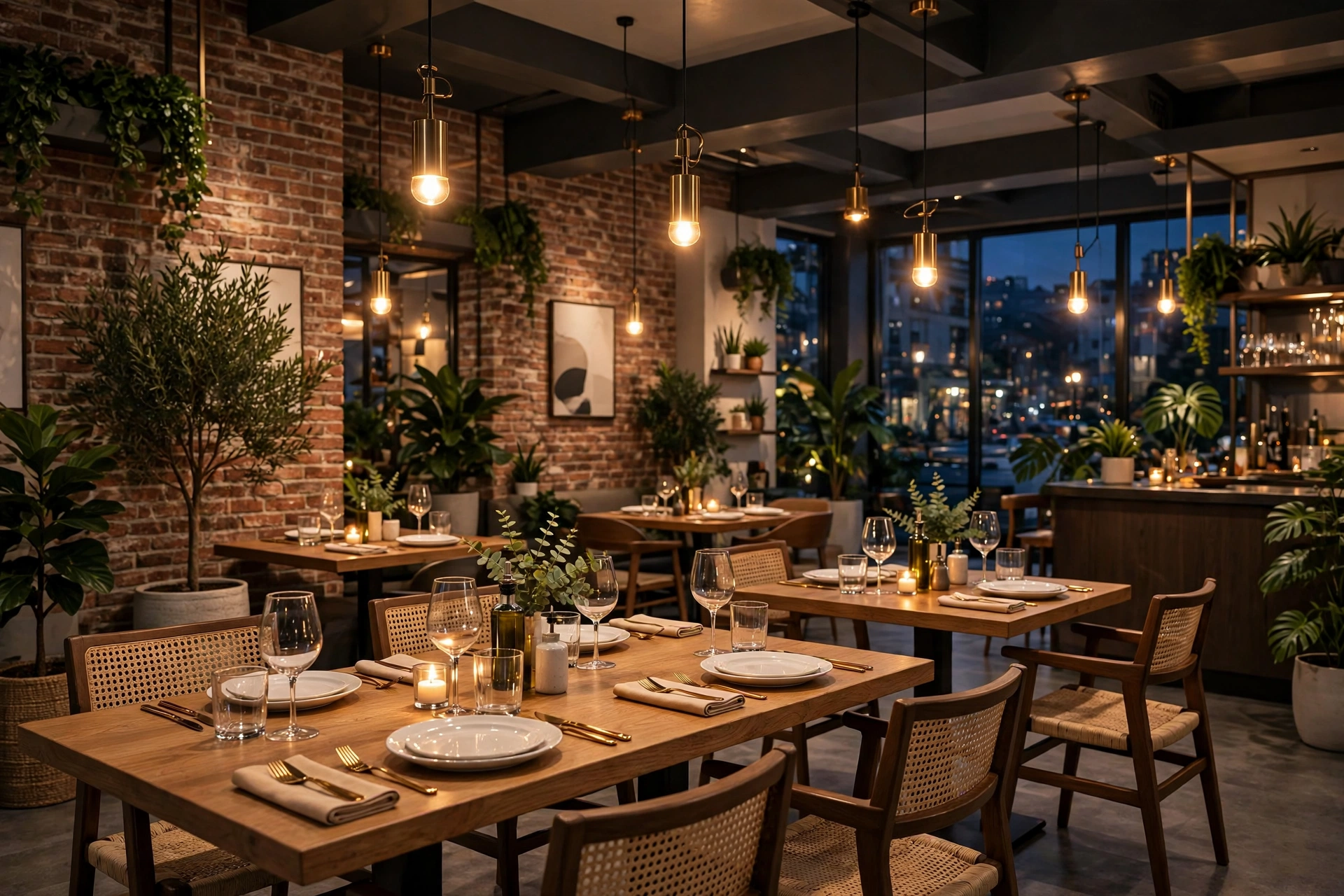
A restaurant sells its food, but a guest books the table because of the room. Long before anyone tastes a dish, they have seen the dining room on a website, on social media, or on a booking app, and they have already decided whether the place feels right. For a new restaurant or cafe, that first impression is a problem, because the room does not exist yet when the bookings need to start. A photorealistic render solves it. It shows the finished dining room, the light, the tables, and the mood, months before the doors open, so the launch marketing, the investor deck, and the booking page all work from day one.
Why Restaurants and Cafes Need Renders Before Opening
Opening a restaurant is one of the most expensive launches in hospitality. The fit-out, the kitchen, the staff, and the licences all cost money before a single guest arrives, and the first month decides whether the business survives. Renders earn their cost in that first month. They let the owner show investors a finished room instead of a floor plan, which is how a concept gets funded. They let the marketing team build the website, the menu, and the social media pages before opening day, so the launch is not a cold start. And they let the owner test the design before it is built. A render shows whether the tables are too close together, whether the bar blocks the entrance, or whether the lighting is too cold, and fixing those problems on screen costs nothing, while fixing them after the fit-out costs thousands. Our hospitality rendering guide covers how hotels use the same approach to sell rooms before opening. Renders also help with the practical side of a launch. A landlord can see the finished space before signing the lease. A licensing officer can see the layout. A franchise partner can see the brand. One set of images does the work of ten meetings.
The Views That Sell a Table: What to Order
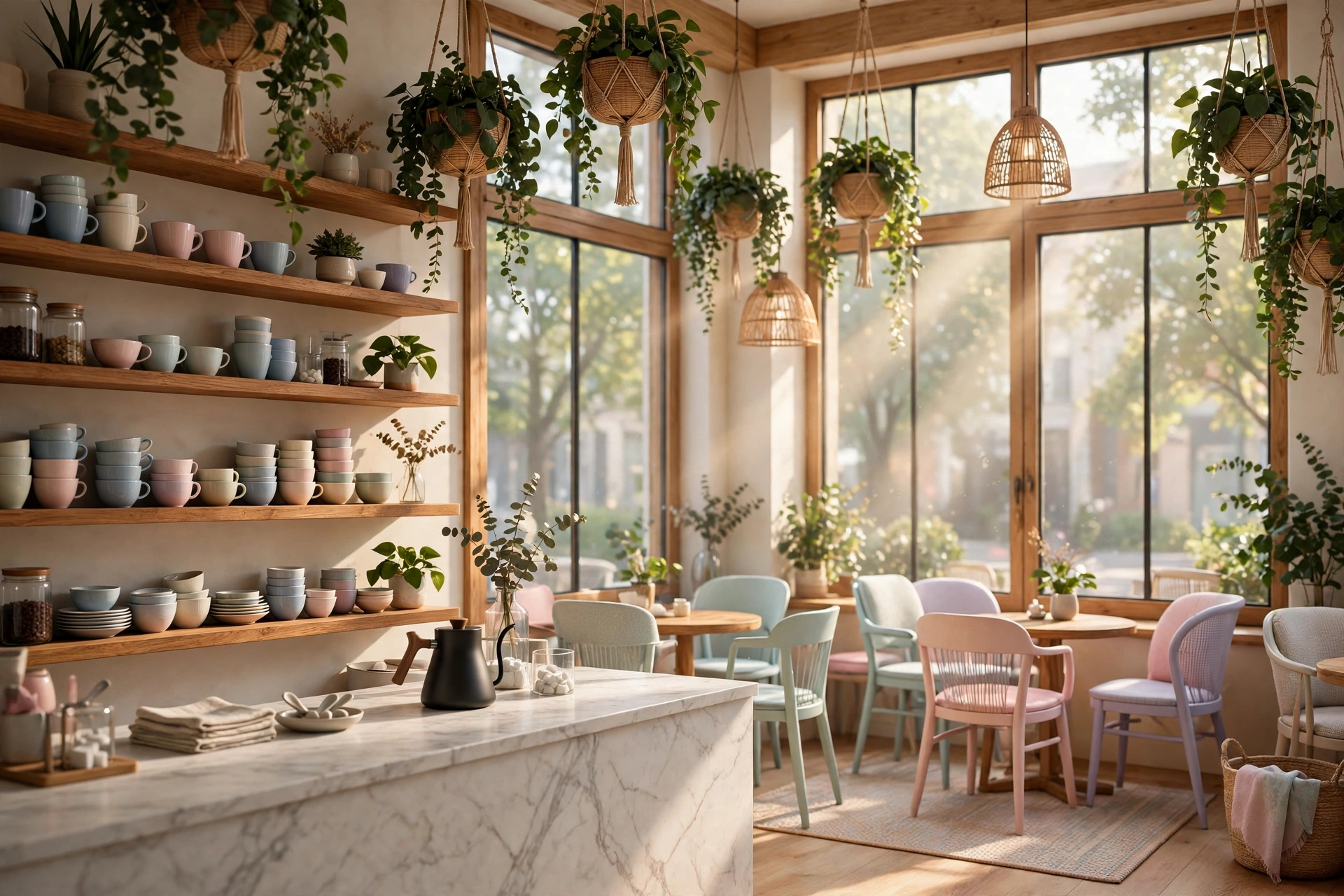
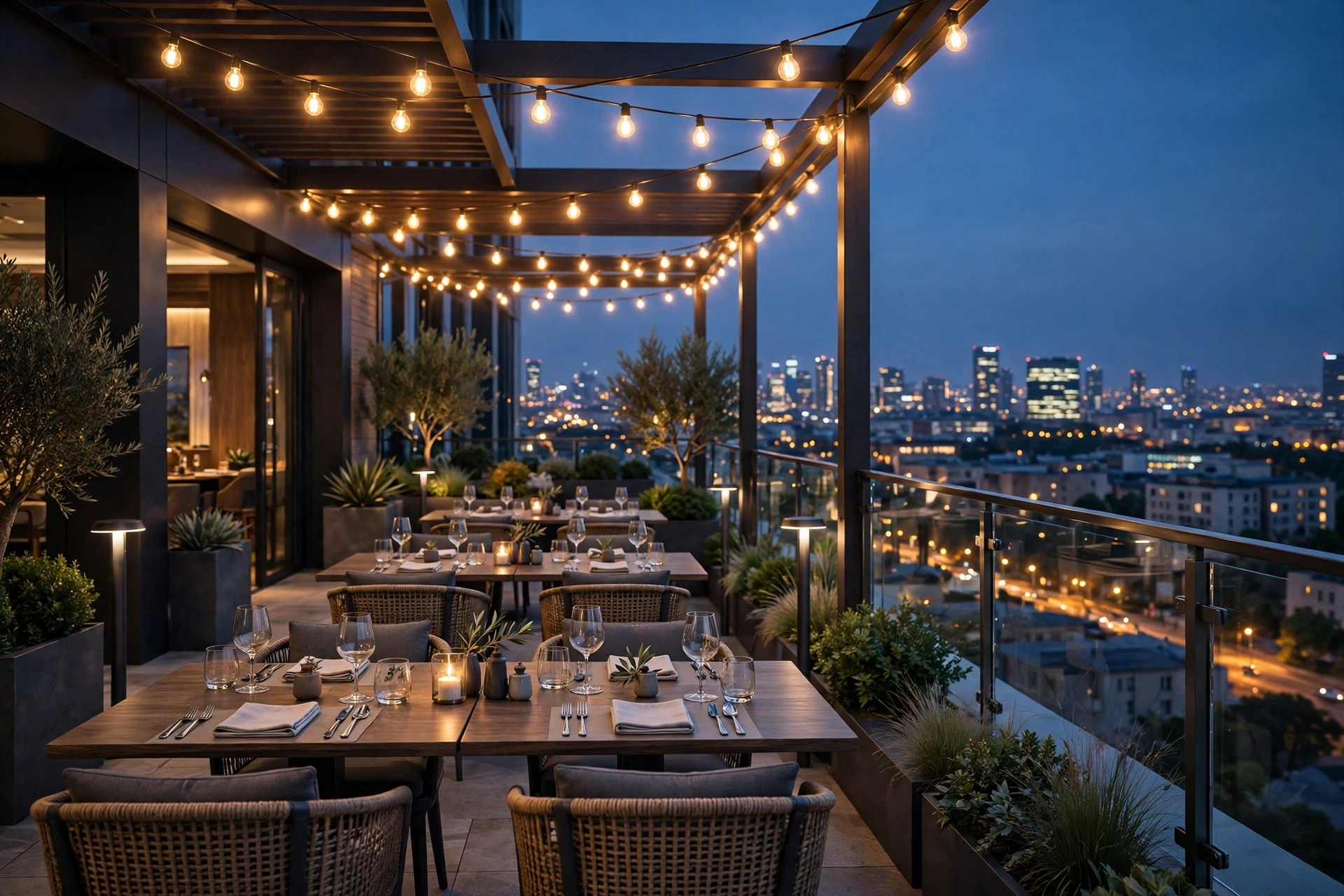
A restaurant does not need fifty renders. It needs five or six views, and every view has a job. Start with the hero dining room shot, taken from the entrance at eye level, because that is the image on the website, the booking page, and the Google listing. Add a second dining view from the opposite corner, so guests see the room from the table they will actually sit at. Then add the bar, because the bar is where guests wait, order, and take their photos, and a good bar shot sells the evening. A cafe needs the counter and the seating by the window instead, because those are the images that fill a morning feed. Add a detail shot of a table setting, with the plates, the glasses, and the menu, because that image sells the food before the food exists. Finally, add the exterior or the terrace if the venue has one, because outdoor seating is a booking driver in warm weather. Our retail rendering guide shows how shops use the same hero-view logic to pull customers in. Agree the view list before the artist starts, because adding a view later costs more than including it from the start, and keep the set small so every image earns its place.
Lighting, Materials, and Mood: Getting the Atmosphere Right
A restaurant render lives or dies on atmosphere, and atmosphere is mostly lighting and materials. The lighting should match the service. A lunch cafe needs bright, natural daylight, clean tables, and a fresh feeling that makes guests stay for a coffee and a laptop. A dinner restaurant needs warm, low light, glowing pendant lamps, and a sense of occasion that makes guests dress up. The artist should show the lighting the way it will actually be, with the window light, the table lamps, and the bar glow all working together, not as a flat bright room. Materials matter just as much. Wood, leather, brass, and stone tell the guest the price point before they see the menu. A render that shows cheap-looking materials will attract the wrong guests, and a render that shows materials the owner cannot afford will disappoint the guests who arrive. The safest approach is to render the real materials from the fit-out schedule, with the real colours and finishes, so the image and the room match. Our interior lighting guide explains how artists build daylight and artificial light so a render feels like a photograph. Send the artist reference photos of restaurants you like, and say in one sentence what the guest should feel when they walk in, because that sentence is the brief the whole render hangs on.
What Restaurant Rendering Costs in 2026
A single interior render for a restaurant or cafe costs 200 to 500 dollars in 2026, depending on the size of the room and the level of detail. A full five-view package for one venue usually lands between 1,200 and 3,000 dollars, and a multi-outlet project, like a chain opening three cafes with the same design, costs less per venue because the artist reuses the furniture, the materials, and the lighting setup. That price is small next to the cost of a fit-out, which can run into hundreds of thousands of dollars, and it is small next to the cost of a slow first month, when an empty dining room still pays rent and wages. Add a twilight exterior shot for 250 to 600 dollars if the venue has a terrace or a street frontage, because that image does the work on social media and on the booking page. Our interior rendering cost guide gives the full room-by-room price breakdown for 2026. Ask for a fixed quote for the whole package, with the number of revision rounds written in, so the price does not grow as the project goes on. And ask what the price includes: the modelling, the furniture, the lighting, the table settings, and the post-production should all be in the quote, not added later as extras.
How to Brief a Studio for a Food and Beverage Project
A good brief is the difference between a render that sells tables and a render that just shows a room. Start with the concept in one paragraph: the cuisine, the price point, the target guest, and the feeling of the room. Then send the floor plan, the elevations, and the material schedule, with the real finishes, the real furniture, and the real colours, so the artist builds the room you will actually open. Then name the views, the cameras, and the time of day for each one, because a lunch cafe and a dinner restaurant need different light. Then add the details that make a food and beverage render believable: the table settings, the glasses, the menu, the plants, and a few plates of food, because an empty table looks like a showroom and a set table looks like a restaurant. Say what must not appear, too, like a brand logo that is not final, or a dish that is not on the menu. Our briefing checklist covers every detail a studio needs, from drawings to deadlines. Keep one person on your side as the single point of contact, agree the deadline for the first draft, and agree how many revision rounds are included. A clear brief and a single contact keep the project on time, and the renders arrive ready for the launch.
Frequently Asked Questions
How much does restaurant rendering cost?
A single interior render costs 200 to 500 dollars in 2026. A full five-view package for one restaurant or cafe usually costs 1,200 to 3,000 dollars, and a chain opening several venues with the same design pays less per venue.
How many renders does a new restaurant need?
Five or six views is the standard: a hero dining room shot, a second dining view, the bar or the counter, a table setting detail, and the exterior or terrace if the venue has one. More views rarely add bookings, and they add cost and time.
Can renders help get funding or a lease for a restaurant?
Yes. Investors, landlords, and franchise partners all decide faster when they can see the finished room instead of a floor plan. A render set is often the document that turns a concept into a signed lease or a funded launch.
Should the render show the real materials and furniture?
Yes. Render the real finishes, furniture, and colours from the fit-out schedule, so the image and the room match. Guests who arrive to a room that looks cheaper than the render feel misled, and they do not come back.
How long does a restaurant render package take?
A single view takes three to seven days. A five-view package for one venue usually takes one to two weeks, including revision rounds. A multi-outlet project takes longer, but the venues are delivered in batches.
Do I need renders before the fit-out is finished?
That is the best time to order them. Renders show design problems, like tables that are too close together or lighting that is too cold, while fixing them on screen costs nothing. After the fit-out, the same fixes cost thousands.
A restaurant render is not a picture of a room. It is the first table you sell, the first investor you convince, and the first booking you take before the doors open. Order a focused set of views, brief the atmosphere in one clear sentence, and render the real materials you will actually build. If you have a restaurant or cafe to launch, send us your plans and we will build the render set that fills your tables from opening night.
Written by
Architecture Designing Team
3D Visualization Studio