House Rendering Cost: Complete 2026 Pricing Guide
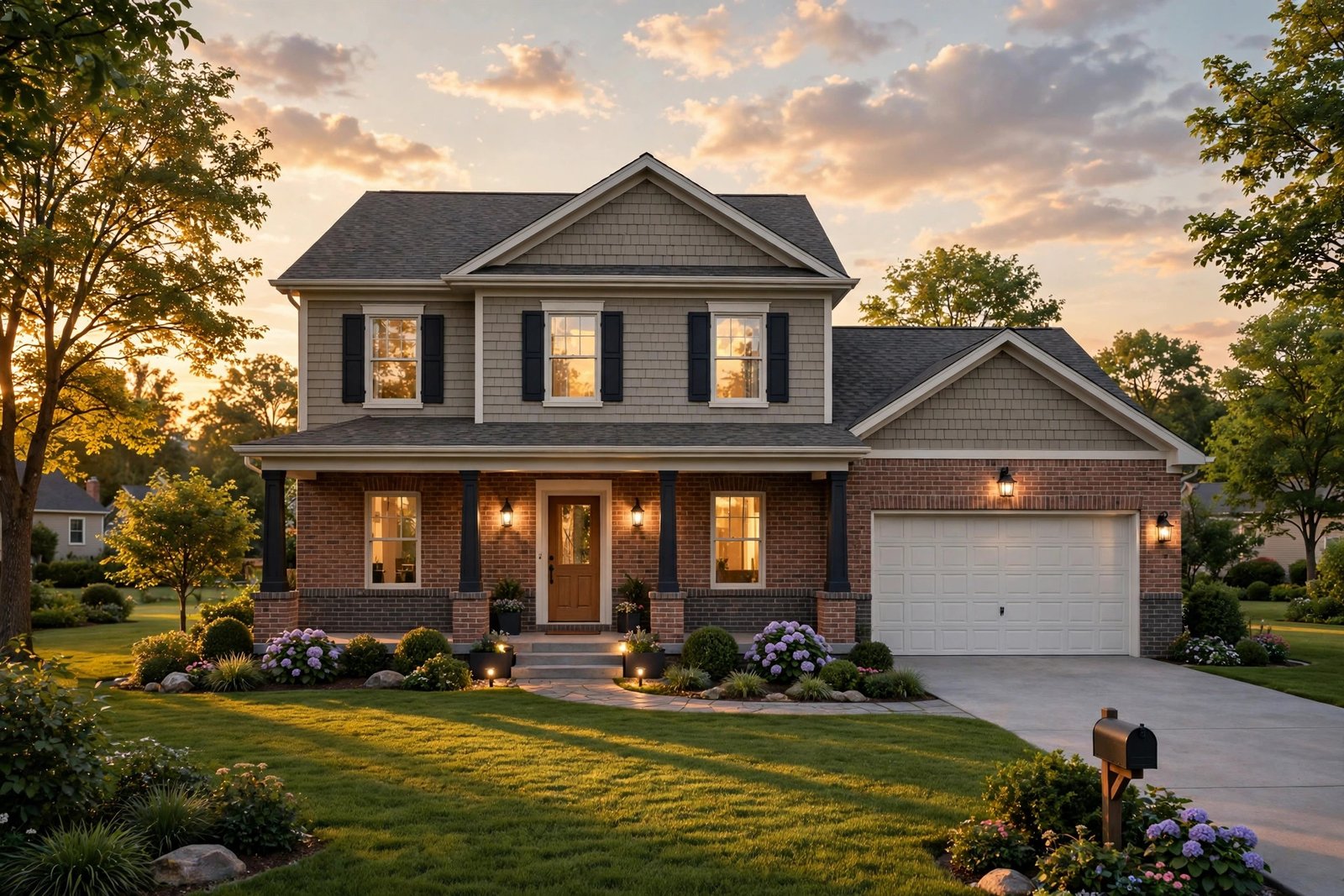
You have the plans for your house, or maybe just an idea of the home you want to build, and you need to see it before a single brick is laid. A photorealistic house rendering shows you exactly how the finished home will look: the facade in morning light, the kitchen you will cook in, the garden at dusk. The question almost every homeowner, builder, and agent asks first is simple: how much does a house rendering cost?
In 2026, a professional house render typically costs between $200 and $1,200 per view, with most single-family home projects landing in the $300 to $800 range for a hero exterior. The final number depends on the size of the house, how many views you need, whether you can supply drawings or a 3D model, and the level of realism you are after. This guide gives you real price ranges, explains what drives quotes up or down, and shows you how to brief a studio so you get an accurate fixed price the first time.
What You Actually Get When You Order a House Rendering
A house rendering is a photorealistic still image (or set of images) generated from your architectural drawings or 3D model. A standard deliverable includes the modeled house with accurate materials, realistic lighting for the time of day you choose, landscaping, and a high-resolution final file you can print or publish online. Most studios deliver at 3000 to 5000 pixels wide, which is sharp enough for brochures, websites, and site hoardings.
What varies between quotes is the invisible work behind the image: building or cleaning the 3D model, sourcing accurate materials for your cladding and roofing, composing the camera angle, and the revision rounds that let you adjust colors, landscaping, and details. A clear inclusions list separates a professional quote from a vague one. If you are comparing studios, our checklist on how to choose a 3D visualization studio shows which questions reveal the real differences.
House Rendering Cost in 2026: Prices by Project Size
These ranges reflect professional studio pricing in 2026 for photorealistic quality, per exterior view. Interior views are covered separately below.
Small home or cottage: $200 to $500 per view
A compact single-story home with a simple facade is the fastest type of house render. Modeling is straightforward, materials are few, and one hero view plus a rear angle usually tells the whole story. Most small-home projects order two views and pay $400 to $900 total.
Mid-size family home: $350 to $800 per view
The typical two-story suburban home with a garage, porch detailing, and landscaped front yard falls in this band. Expect $350 to $600 for a standard finish and up to $800 when you want premium touches like dusk lighting, detailed planting, and a styled driveway. This is the most common project size studios handle.
Large or luxury custom home: $600 to $1,500 per view
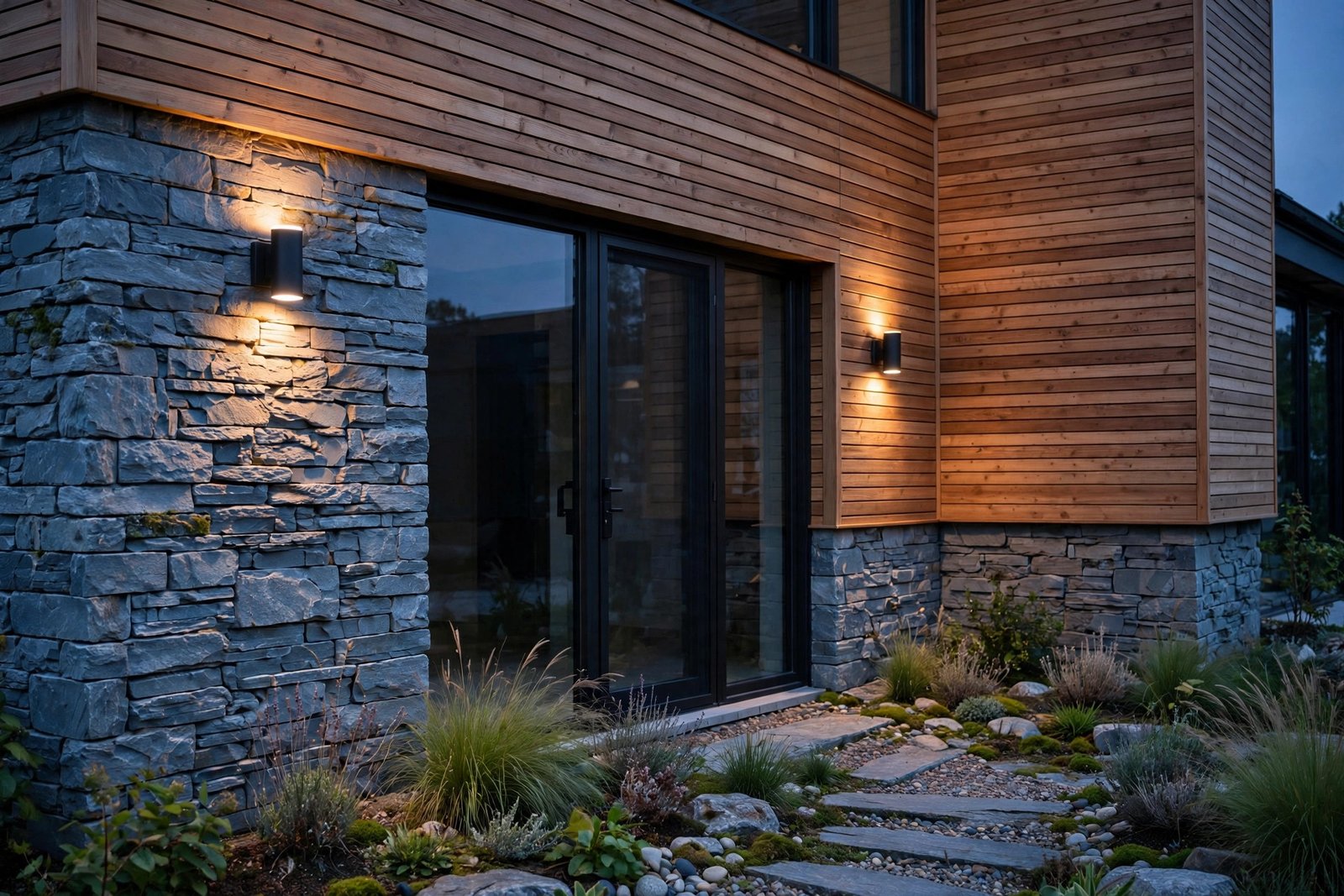
Custom homes with complex rooflines, mixed materials (stone, timber, glass, metal), pools, and extensive landscaping demand significantly more modeling and art direction. A single hero twilight view of a luxury home can reach $1,000 to $1,500, and full packages with multiple views often run $3,000 to $6,000. For context on how these costs scale across render types, see our full 3D rendering pricing guide.
What about the whole project, not per view?
Most house projects need more than one image. A typical package, two exterior views plus one or two interiors, usually costs $1,200 to $3,000 all in. Studios almost always discount multi-view packages because the model is built once and reused, so always request the full set in one quote rather than ordering views one at a time.
Exterior vs Interior House Renders
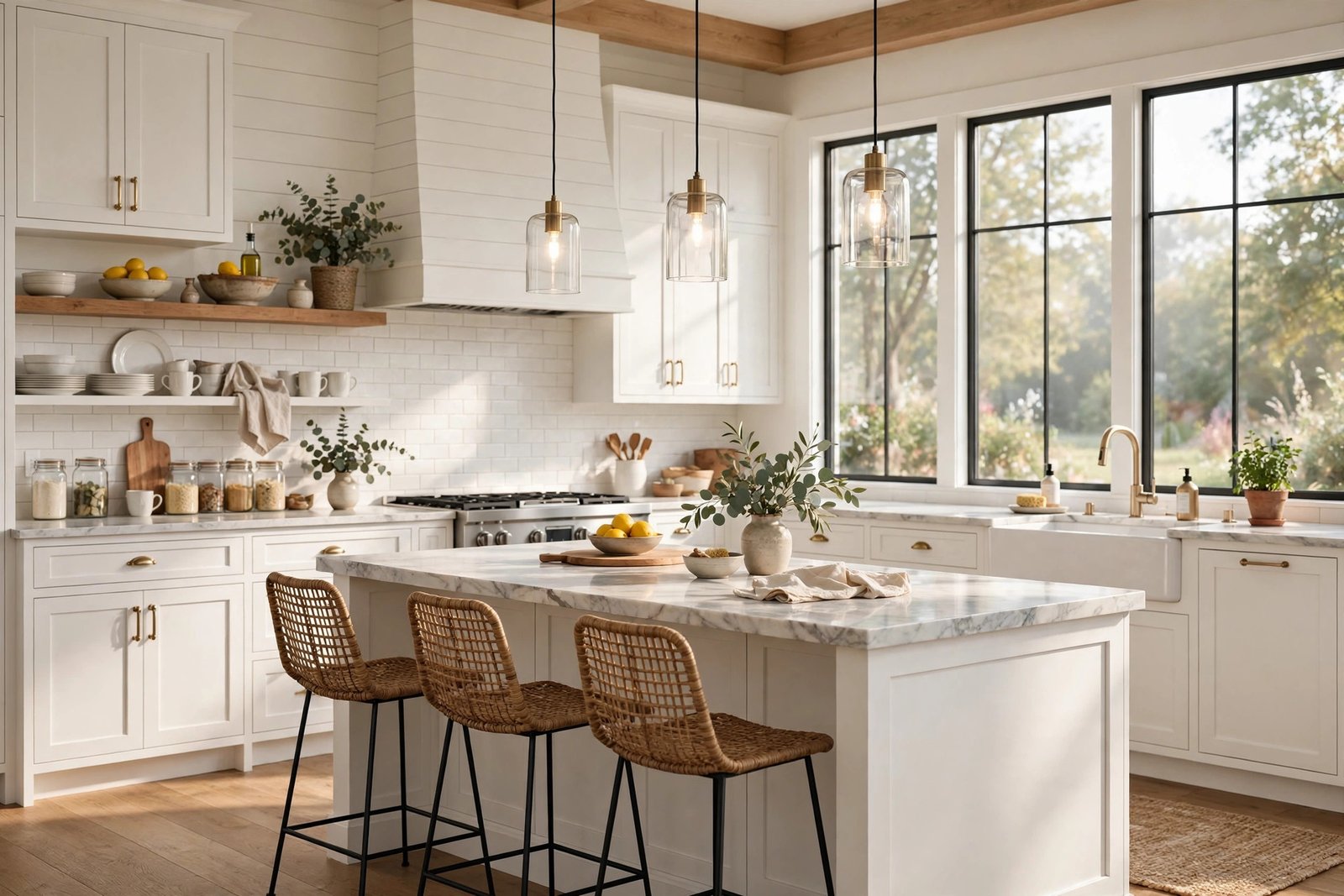
Exterior views sell the dream from the street; interiors sell the life inside. Interior house renders typically cost $150 to $500 per room, with kitchens and living areas at the higher end because of cabinetry, appliances, and styling detail. Bedrooms and bathrooms are usually quicker and cheaper.
If budget is tight, prioritize one hero exterior and the two rooms buyers care about most: the kitchen and the main living space. That trio covers the listing, the brochure, and the social media campaign. Our photorealistic interior rendering tips explain what separates a flat interior image from one that feels like a photograph, which is worth knowing before you approve a studio's portfolio.
What Affects the Price of a House Render
Drawings vs a ready 3D model
The single biggest cost factor is what you hand over. A clean SketchUp or Revit model can cut 30 to 50 percent off the quote because the studio skips modeling. Working from 2D plans and elevations adds modeling time; working from a rough sketch or verbal description adds the most. If your architect can export a 3D model, ask for it before requesting quotes. Our SketchUp to photorealistic render workflow shows exactly what a usable model looks like.
Custom materials and finishes
Choosing standard brick, siding, and roofing from the studio's library keeps costs down. Requesting an exact match to a specific stone sample, custom-stained timber, or a branded cladding system means the artist builds those materials from scratch, adding $50 to $200 per image.
Landscaping and context
A simple lawn and a few trees are standard. A fully designed garden with a pool, outdoor kitchen, and mature planting is a project in itself. Likewise, showing neighboring houses or an accurate streetscape adds context modeling time. Decide how much environment the image truly needs.
Time of day and mood
Daylight views are the baseline. Twilight and dusk views, the glowing-windows shots that dominate property marketing, take longer to light convincingly and are often priced 15 to 30 percent higher. They are worth it for hero marketing images: twilight renders consistently earn more engagement than daytime equivalents.
Revisions and turnaround
One to two revision rounds are standard in professional quotes. Consolidate your feedback into single, clear rounds, approving colors, materials, and landscaping together rather than in drips. Rush delivery under 72 hours typically adds a 25 to 50 percent surcharge.
How Many Views Does a House Project Need?
More is not always better. Each additional view has diminishing returns, so match the count to the purpose. For a homeowner visualizing a renovation or custom build, two exteriors (front hero and rear or aerial angle) plus one key interior is usually enough to make every decision with confidence. For a builder or agent marketing a property, add a twilight hero shot and a second interior, bringing the set to four or five images. For a developer selling multiple units off-plan, the package grows to include streetscapes, amenity views, and floor plans. Order the full set in one brief: the per-image price drops noticeably with volume.
How to Brief a Studio and Get a Fair Quote
A good brief gets you a fixed, comparable quote within a day or two. Include your floor plans and elevations (PDF or CAD), any 3D model you have, two or three reference images showing the style and quality you expect, the exact views you need, your deadline, and how the images will be used. Mention the finishes you have chosen, cladding, roofing, window frames, because material decisions made after the render starts become paid revisions. A studio that asks follow-up questions about your drawings before quoting is a good sign: it means they are scoping the real work instead of guessing.
Frequently Asked Questions
How much does it cost to render a picture of my house?
For a single-family home in 2026, one photorealistic exterior view typically costs $300 to $800. Small simple homes start around $200, while large luxury homes with detailed landscaping can reach $1,000 to $1,500 per view. Interiors add $150 to $500 per room.
Can I get a 3D render from just a floor plan?
Yes, but a floor plan alone is not enough for an accurate exterior. The studio also needs elevations showing heights, roof shape, window positions, and material notes. The more complete your drawings, the more accurate the render and the lower the modeling cost.
How long does a house rendering take?
A single exterior view usually takes 5 to 10 working days from an approved brief, with a first preview in 3 to 5 days. Full multi-view packages take two to four weeks. Rush options of 48 to 72 hours exist at most studios for a surcharge.
Do I own the rendering images?
In almost all cases, yes for marketing and personal use: you can use the images on listings, brochures, websites, and social media. The studio typically retains the 3D scene files and portfolio display rights. If you need exclusive rights or the source files, discuss it before commissioning.
What is the difference between a cheap render and a professional one?
Professional renders use accurate geometry from your drawings, realistic materials matched to your finishes, natural lighting, and careful post-production. Cheap renders often reuse generic models, get proportions wrong, and fall apart at large sizes. For a home you are building or selling, accuracy matters more than the small saving.
Should I order a daytime or twilight view?
Order both if budget allows, but if you must choose one hero image, twilight wins for marketing. The warm interior glow against a dusky sky creates the emotional pull that gets clicks and inquiries. Daytime views are better for showing true colors and details accurately.
See Your House Before It Is Built
A rendering is the cheapest design decision you will ever make: changing a facade on screen costs a fraction of changing it on site. Send us your plans, and we will return a fixed quote for your house visualization within one to two working days, with the views, revisions, and delivery date clearly listed. Contact our studio and see your future home before the first brick is laid.
Written by
Architecture Designing Team
3D Visualization Studio