How Much Does 3D Architectural Rendering Cost? Complete Pricing Guide
One of the first questions every architect, developer, and homeowner asks us is simple: how much does 3D architectural rendering cost? The honest answer is that it depends on several factors, but most professional still images fall somewhere between $150 and $1,500, while animations and full marketing packages run into the thousands. Understanding what drives those numbers helps you budget correctly and avoid overpaying, or worse, hiring a cheap provider who delivers unusable work.
In this guide, we break down real-world pricing for 3D rendering services, explain exactly what affects the cost of each image, show you what a professional quote should include, and share the red flags that tell you to walk away. Whether you need a single exterior hero shot for a planning application or a full set of marketing visuals for an off-plan launch, you will know what to expect before you request your first quote.
What Affects the Cost of a 3D Render
Two renders that look similar on a portfolio page can differ wildly in price, because the real cost drivers are hidden in the production process. The first and biggest factor is modeling complexity. If you supply a clean, well-organized 3D model, the studio can move straight to materials and lighting. If they have to build your building from 2D drawings or fix a messy model, that modeling time gets billed.
The second factor is the level of detail and realism you need. A quick conceptual massing render for an early design review takes a fraction of the time of a photorealistic marketing image with detailed landscaping, people, cars, and interior visible through glass. The third factor is revisions. Professional studios typically include two or three rounds of revisions in the price, and each additional round adds cost because it means re-rendering.
Turnaround time matters too. A standard exterior still might take five to seven working days, but if you need it in 48 hours, expect a rush fee of 25 to 50 percent. Finally, output resolution and usage affect pricing. A 4K image for a billboard costs more than a web-resolution image for a brochure, and exclusive or extended commercial usage can add licensing fees.
Typical Price Ranges for Rendering Services
Prices vary by region and studio reputation, but the ranges below reflect what established professional studios charge in 2025. Freelancers on marketplaces may quote lower, but as we explain later, the cheapest option often costs more in the long run.
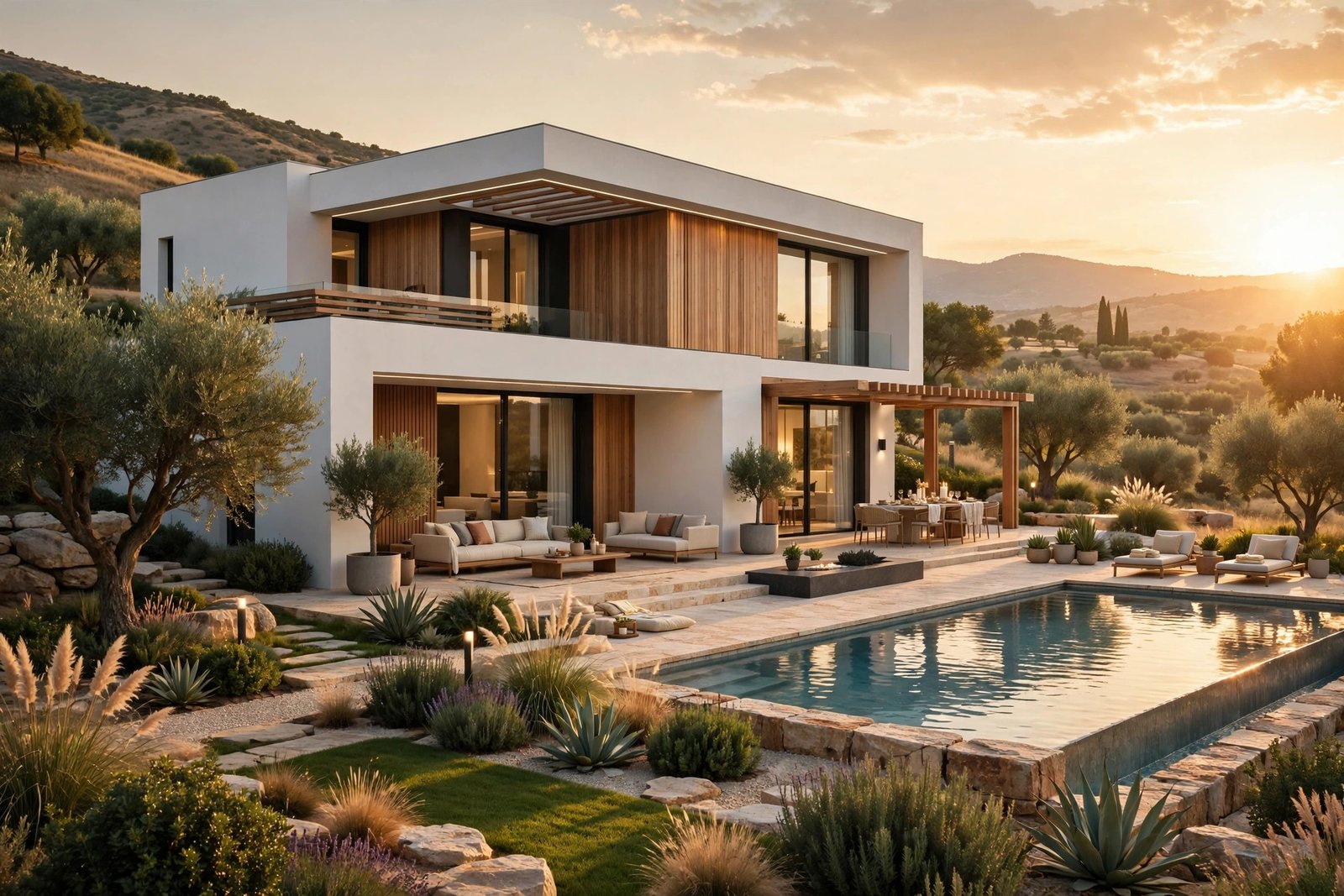
- Exterior still render: $250 to $900 per image. A straightforward house exterior sits at the lower end, while a large commercial development with complex context and landscaping sits at the top.
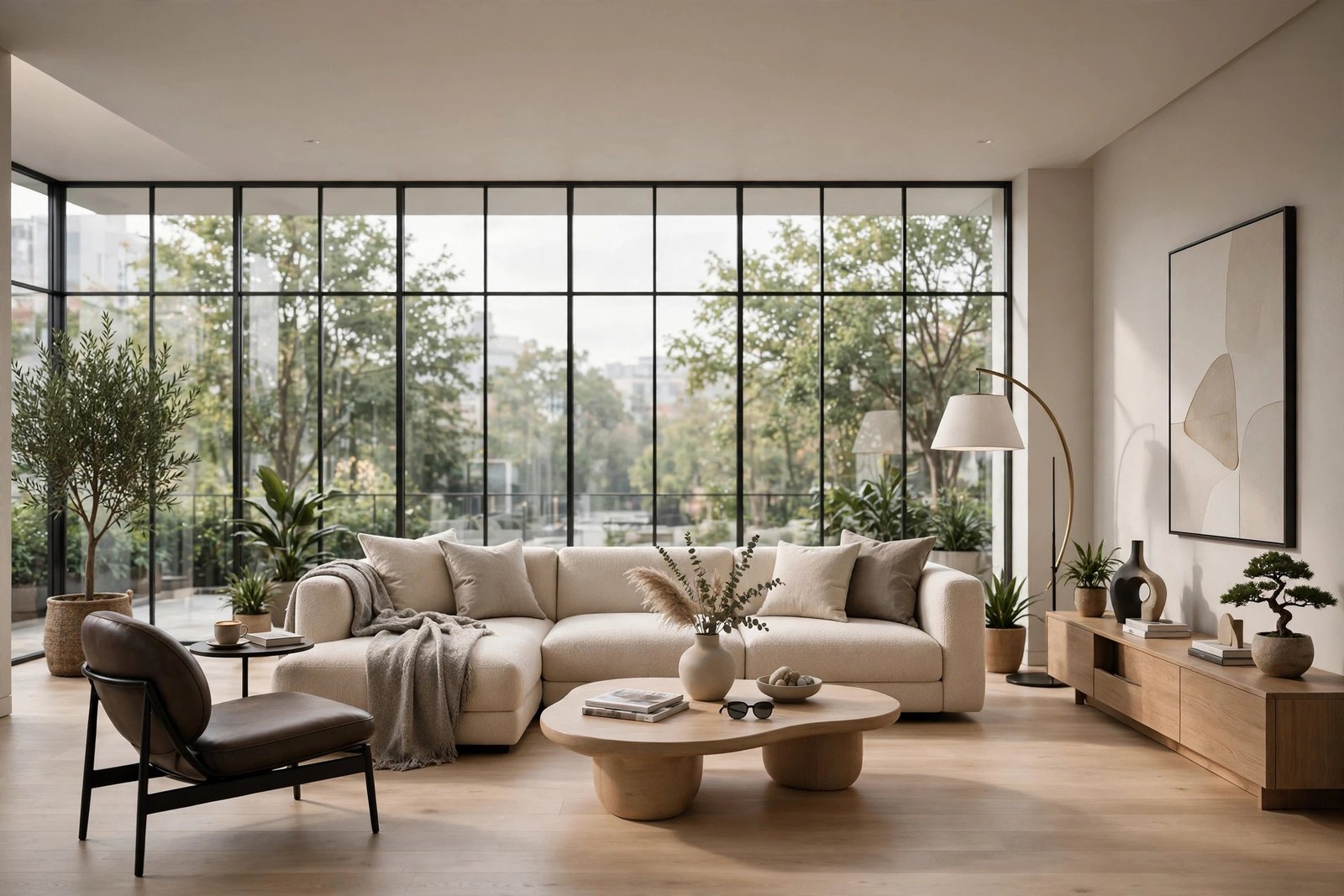
- Interior still render: $200 to $800 per image. Kitchens and living rooms with detailed furniture and lighting take longer than empty or minimal spaces.
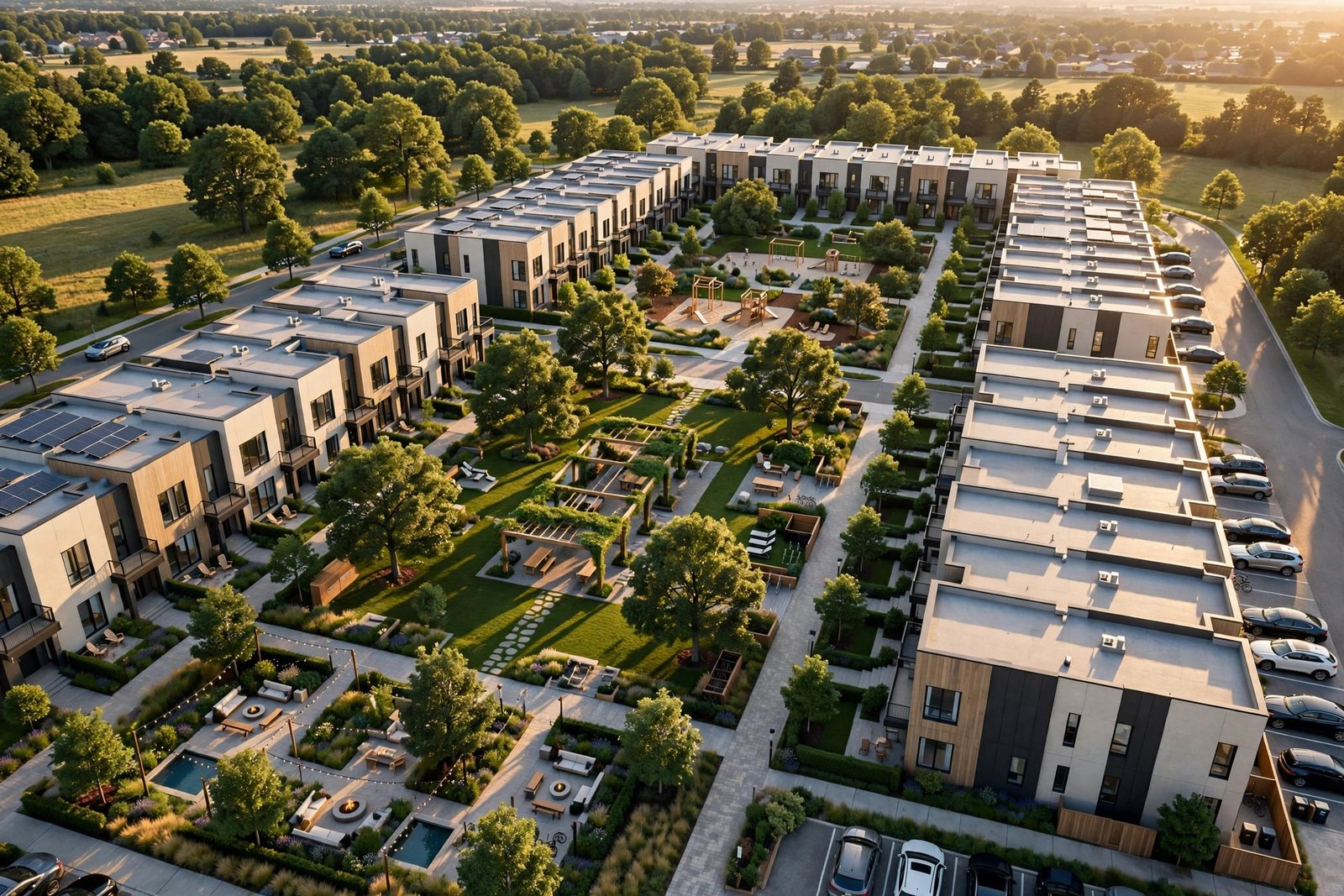
- Aerial or drone-style view: $400 to $1,200 per image. These require accurate site context, surrounding buildings, and realistic terrain.
- 3D floor plan: $100 to $350 per plan. Furnished plans with textures cost more than simple color plans.
- Walkthrough animation: $80 to $250 per second of finished video. A 60-second animation therefore typically costs $5,000 to $15,000 depending on quality.
- 360-degree virtual tour: $300 to $900 per viewpoint.
These are per-image prices. Most studios offer package discounts when you order sets, for example four exterior views plus two interiors, because the 3D scene is built once and reused across views.
Per-Image Pricing vs Project Packages
Studios generally quote in one of two ways. Per-image pricing is transparent and works well when you know exactly how many views you need. Project packages bundle multiple deliverables, modeling, revisions, and sometimes animation, into one fixed price. For a full marketing campaign, packages almost always deliver better value because the heavy lifting of building the 3D model happens once.
When comparing quotes, make sure you are comparing like with like. A $200 exterior render that includes one revision round and web resolution is not the same product as a $600 render with three revision rounds, 4K output, and full commercial rights. Ask every studio for the same specification so the numbers are comparable. Our own production pipeline, which we describe in our behind the scenes look at a visualization studio, is built around fixed package pricing for exactly this reason.
What a Professional Quote Should Include
A proper rendering quote reads like a mini contract. It should spell out the number of views, the resolution of final images, how many revision rounds are included, the delivery timeline, what source files you need to provide, and who owns the final images. It should also state the payment terms, which are usually 50 percent upfront and 50 percent on delivery for new clients.
Be wary of quotes that are a single number with no breakdown. Without detail, you cannot tell whether revisions cost extra, whether the studio will model from your drawings or expects a 3D file, or whether the timeline is realistic. A studio that takes time to write a clear quote is a studio that will take time on your project.
Questions to ask before you approve a quote
- How many revision rounds are included, and what counts as a revision versus a new view?
- What file formats will you deliver, and in what resolution?
- Do I need to supply a 3D model, or can you work from 2D plans and elevations?
- What is the realistic turnaround, and what does a rush delivery cost?
- Who owns the final renders, and are there any usage restrictions?
Red Flags: When a Quote Is Too Good to Be True
If a quote comes in far below the ranges above, something is being cut. Common shortcuts include using stock 3D scenes with your building pasted in, skipping proper lighting setup, delivering low-resolution images, or offering zero revisions. The result looks acceptable as a thumbnail but falls apart at full size, which is exactly when you need it to impress.
Other warning signs include no portfolio of original work, refusal to sign a simple agreement, requests for 100 percent payment upfront, and vague answers about timelines. Remember that a bad render does not just waste the fee, it can actively harm a planning application or a sales launch. Spending a little more on a studio with a proven process is the cheaper option over the life of a project.
How to Get an Accurate Quote Fast
Studios can quote accurately when you give them the right inputs. Prepare your 2D floor plans and elevations as PDFs, any 3D model you have, reference images showing the style and mood you want, and a clear list of the views you need. Mention your deadline upfront so rush fees do not surprise you later.
If you are unsure how many views you need, ask the studio for a recommendation. An experienced team will tell you honestly when two views will do the job of four. For larger developments, it is also worth reading a detailed case study of a residential visualization project to see how view selection and art direction come together in practice.
Budgeting for a Full Visualization Project
When you move beyond a single image, it helps to think in project budgets rather than per-image prices. A small residential project needing three exterior views and two interiors typically budgets $1,500 to $3,500. A mid-size commercial development with ten or more views, aerials, and a short animation often lands between $8,000 and $25,000. Large masterplans and multi-phase launches can exceed $50,000, but those packages usually span months of work and dozens of deliverables.
The smartest way to control the budget is to lock the design before rendering begins. Every design change after the 3D scene is built means remodeling, which is the most expensive kind of revision. Finalize materials, colors, and key design decisions first, then commission the visuals. Studios appreciate decisive clients, and decisive clients get better prices because their projects run smoothly.
Frequently Asked Questions
How much does a single 3D house render cost?
For a professional, photorealistic exterior still of a single house, expect $250 to $600. Interiors typically run $200 to $500 per view. Prices rise with complex architecture, detailed landscaping, and tight deadlines.
Why do some studios charge $50 per render?
Ultra-cheap renders are usually produced with heavy automation, stock scenes, or minimal artist time. They can work for quick internal studies, but they rarely meet the quality bar for client presentations, planning submissions, or marketing. You also typically get no revisions and limited usage rights.
How long does a 3D render take to produce?
A single still image usually takes three to seven working days including revisions. Animations take three to six weeks depending on length and complexity. Rush delivery is possible but adds 25 to 50 percent to the cost.
Do I need to provide a 3D model?
No. Most studios can build the 3D model from your 2D drawings, though supplying a clean model saves time and money. If you have a SketchUp or Revit model, share it, even if it is rough. You may also want to read about where 3D models come from and how they are valued if you are sourcing assets.
What is the difference between a concept render and a marketing render?
Concept renders are faster and looser, made for design exploration and early client feedback. Marketing renders are fully detailed, photorealistic images built to sell, with refined lighting, landscaping, and atmosphere. Marketing renders cost more because they take significantly longer to produce.
Can AI tools replace a rendering studio?
AI image tools are useful for quick inspiration, but they cannot produce accurate, to-scale architectural visuals tied to real plans. For anything where dimensions, materials, and design intent must be correct, a professional studio remains essential. Our article on how AI is reshaping architectural design explores where AI genuinely helps in the visualization pipeline.
Written by
Architecture Designing
3D Visualization Studio